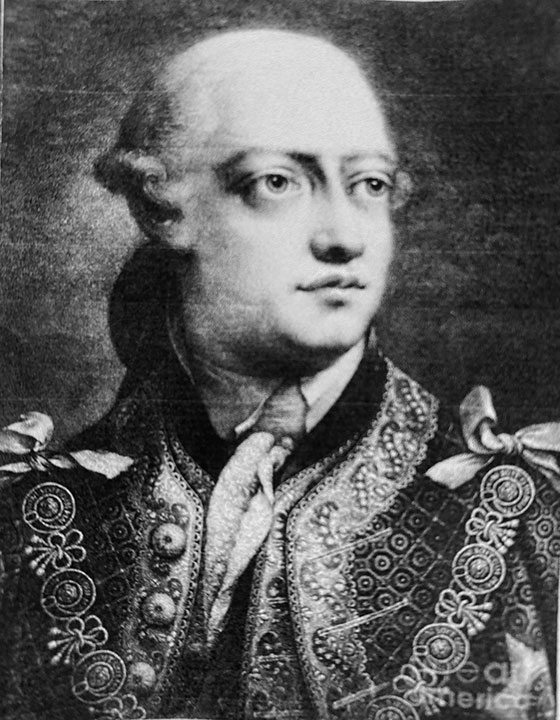
In the early days of the conflict between the American colonies and Great Britain, there was no great push for an actual split from the mother country. Trouble began in 1761, after King George III (shown here) was installed on the throne and he issued a “writ of assistance”. For many years, Britain had neglected customs laws and this writ intended to begin enforcing them, but with a difference. It created an open-ended warrant for Britain to search any warehouses, ships, shops, or homes that it chose. Three years later a series of additional taxes were levied on the colonies.
These writs and taxes agitated many of the colonies, primarily because they believed that their rights as Englishmen were being ignored. This means that early on there was room for negotiations rather than an early call for war. In 1775, the 2nd Continental Congress sent the “Olive Branch Petition” to the King as a last minute try at convincing him to relax his aggressive punishments against the colonies which would allow them to continue as British subjects. However, the King, influenced by Lord North and other hard liners in Parliament, refused and the war for independence began in earnest.
Lucy Worsley on PBS has recently been exploring how those in England felt about the rebellion of the American colonies. Just as in the colonies, there were differing opinions. Many in England felt that the King and Parliament were on the wrong course. Particularly those whose livelihoods were opposed to the aggressive policies.
In 1775, a group of merchants and traders in Bristol, England, wrote a letter to the King that urged him to give the American colonists the freedoms that they wanted so that an important trading relationship would not be destroyed.
An article found in our files told how the Lord Mayor and Aldermen of London wrote to the King,” We have already expressed to your Majesty our abhorrence of the tyrannical measures pursued against our fellow subjects in America, as well as of the men who secretly advise and of the ministers who execute their measures”.
Unfortunately for King George, he listened to the wrong people. He followed the advice of those who wanted to punish rather than work with the colonies and the rest was history.
By Connie Eshbach