Academic Achievements

College of Charleston congratulates John Butler of Mattapoisett, majoring in Economics and of Mattapoisett, Sally Butler majoring in Marketing, who were named to the Dean’s List for Winter 2024.

            Springfield College has named Rylee Kouta from Mattapoisett to the dean’s list for academic excellence for the 2024 fall semester. Kouta has a primary major of Pre-Prof Athletic Training.

            The following Worcester Polytechnic Institute (WPI) students were named to the Dean’s List for Fall 2024:

            Chaz Aguiar of Mattapoisett, class of 2027, majoring in Electrical and Computer Engineering.

            Rudy Arsenault of Mattapoisett, class of 2027, majoring in Robotics Engineering.

            Andrew Porter of Mattapoisett, class of 2028, majoring in Architectural Engineering.

            Paige Sommers of Rochester, class of 2025, majoring in Biomedical Engineering.

            William Thomas, of Mattapoisett, a student at Fairleigh Dickinson University’s Florham Campus, located in Madison, NJ, has been named to the Dean’s List for the Fall 2024 semester.

            College of Charleston congratulates John Butler of Mattapoisett, majoring in Economics and of Mattapoisett, Sally Butler majoring in Marketing, who were named to the Dean’s List for Winter 2024.

R. William Blasdale

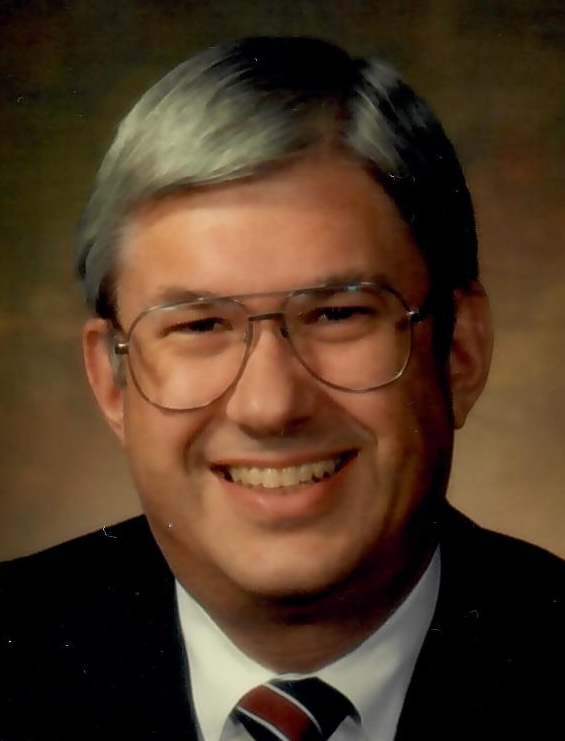
R. William Blasdale, known as Bill to most, passed away on January 30, 2025, leaving behind a legacy of family values, committed service, generosity and leadership. 

Bill grew up in Mattapoisett and at 15 years old he met Mary Jean Schmidt. After graduation from high school at Tabor Academy and college at Princeton University, he and Mary Jean married and eventually settled in Mattapoisett to raise their family. In the 65 years they shared together they raised two children, Spencer and Amy, and supported two grandchildren, Avery and Hadley.

Although he was involved in countless community and business leadership positions he made decisions based on prioritizing family. He was a Lion’s Club member and served as town selectman from 1975-1981. In a letter to the town in 1981 he explained his decision to step down: “One’s responsibility as a husband and father come first. Public service comes second.” He found a less time-demanding way to continue his service and was elected town moderator from 1981-2003. He was known for his diplomacy, wit and ability to build consensus in these town roles. With his self-deprecating humor he reflected that, “My greatest contribution to the town was a sewage system. What a legacy.”

Bill held a life-long commitment to citizen democracy and reminded us that citizenship bestows rights but also demands responsibility, especially for the health and education of all. He led by example, helping to found the Southcoast Community Foundation and serving on the board of Southcoast Health System, Southcoast Hospitals Group, and Southcoast Physicians Group. Bill’s dedication to his high school, Tabor Academy, was exemplified through his service on the Board of Trustees from 1982 to 2014, including his tenure as Board Chair from 1991 to 2006. “He was,” as Former Head of School Jay Stroud described, “as dependable and as essential to Tabor life as the tides themselves. Bill’s wisdom, profound common sense, and extraordinary sense of balance and proportion helped our Board become the engine for change and growth that characterized the more than two decades we worked together.” 

Bill’s professional career was divided into “Act 1 and Act 2” as he would say. He served as President and CEO of Julius Koch, USA in New Bedford, a company that manufactures textiles. After 28 years at Julius Koch, he went back to school, became a certified financial planner (CFP) and co-founded Seamark Financial with Lynne Nahigyan in 1996. He served as President of Seamark for 28 years before retiring in June.

His memory will be cherished, his contributions celebrated, and his spirit acknowledged as a beacon of citizenship, generosity, thoughtful leadership, warm-hearted concern, and gracious care.

He is survived by his wife, Mary Jean, his daughter, Amy Blasdale-Cushing and spouse Brad Cushing of Melbourne Beach, Fl, his son, Spencer Blasdale and spouse Nell Blasdale of Milton, MA and his granddaughters Avery and Hadley.The family will hold a Celebration of Bill’s life on May 31. Please refer to www.waring-sullivan.com for updated service information and to place an online tribute. Donations in his memory can be made to The Southcoast Community Foundation. Arrangements are in the care of the Waring-Sullivan Home at Fairlawn.

Paul Newby Grace

Paul Newby Grace, 70, of Mattapoisett passed away unexpectedly on Tuesday, February 4, 2025.

            Known affectionately by everyone as Newby, Paul Grace was an excellent musician and performed professionally throughout the region. He began playing keyboards at an early age, becoming a soulful keyboard player and singer who put his heart and soul into his music. He especially enjoyed performing the music of Stevie Wonder. His most recent musical endeavors were with the band Diamond Dust as well as solo performances locally and on social media.

            He also loved nature. For many years he owned and operated a successful landscaping business. One of his favorite pastimes was to take a country drive along the backroads of Westport to Horseneck Beach where he would just park and watch the waves.

            Newby had an engaging, charming personality and easily made friends. His smile and twinkling eyes quickly endeared him to those he met. Newby never had children of his own but was very close to his nieces, nephews, and great-nephews as well as his step-children from an earlier marriage. He was especially close to his great-nephew Will. Newby’s most cherished times were those spent with family and when he was sitting at his keyboard playing music while singing his heart out.

            Those closest to Newby know he struggled during his last few years with personal and health issues, but he persevered and braved his circumstances as best he could, living modestly in Mattapoisett senior housing until his unexpected death.

            Newby will be deeply missed by all his family and friends who loved him dearly.

            Paul is survived by his siblings, Susan Grace and her husband Rich Taber of Mattapoisett, Peter Eugene Grace of Tarpon Springs, FL, and Angela Grace of Ocean Springs, MS; his nieces and nephews, Jessica Noblet and her companion Barry Lima, Thomas Bonneau and his wife Ania Sliwinska, Lauren Bonneau and her partner Matthew Arriaga, Russell Dearing, and Ali Grace; his great-nephews, William Huggins and his wife Shaynna, Samuel Noblet, James Noblet; and his step-children James Glover and Tricia Guenette.

            His memorial service will be held Saturday, February 22, 2025 from 1pm-3pm at the Seamen’s Bethel 15 Johnny Cake Hill, New Bedford, MA 02740. A Celebration of Newby’s Life will take place following the service from 3pm-5pm at Gallery X, 169 William St, New Bedford. For online guestbook, please visit www.saundersdwyer.com

Hazard Mitigation and Master Plan Accepted

Hazard mitigation plans were briefly discussed on February 3 as the Mattapoisett Planning Board went through their brief but important agenda. The board has been formulating mitigation plans for several months in concert with the town’s safety units (police), Highway Department (evacuation routes), and the Water and Sewer Department (Mattapoisett River Valley).

            The board approved changes and updates based on community and departmental comments and moving to endorse the plan as proposed. Next step for the plan is a review by MEMA which is the state agency charged with the responsibility for ensuring cities and towns are ready in the event of environmental calamities. As noted on the state’s website, “We provide Massachusetts residents and visitors emergency preparedness resources, emergency alerts, and information during and after emergencies and disasters. MEMA coordinates with federal, state, and local government agencies, non-profits and businesses to prepare, respond and recover from emergencies and disasters.”

            The plan will also go through a FEMA review to ensure it aligns with federal requirements.

            The board also approved the adoption of the 2022 Master Plan. Next stop the Select Board.

            Also on the agenda were two applications for Approval Not Required. The first was filed by the Mattapoisett Land trust for property owned by Faith Ball and Lauren Carlson, 0 Cove Street. The land separation was described as unbuildable parcels with the intent for future conveyance to the Mattapoisett Land Trust.

            Also approved was an Approval Not Required for 76 County Road owned by Dagnelllo LLC. The intent is the creation of a buildable lot for future development.

            The next meeting of the Mattapoisett Planning Board is scheduled for March 3 at 7:00 pm.

Mattapoisett Planning Board

By Marilou Newell

Upcoming Events at the Elizabeth Taber Library

The Elizabeth Taber Library is now operating out of the Marion Music Hall for the month of February to facilitate a library improvement construction project.

            During this time our temporary phone number for library services will be 508-538-1214

            The Elizabeth Taber Library will continue to provide access to collections of new fiction, new non-fiction, new children’s and new young adult materials, along with our Luck Day collection of the most requested books, a portion of our Library of Things collection, and our Black History Month collection for all ages.

            Patrons can continue to place and pick up holds at the Marion Music Hall with their library cards and access museum passes, however no computer or printing services will be available during this time.

            Story Times will continue on Mondays and Tuesdays at 10:30 am.

            The Elizabeth Taber Library is excited to host the Excellent family with Tri-Town Against Racism for a Black History Month StoryTime. Join us at the Marion Music Hall on Saturday, February 8 at 11 am for stories read by John, Kate, and Owen and an activity following story time.

            Our temporary hours during our stay at the Music Hall will be Monday 10-5, Tuesday 10-6, Wednesday 10-5, Thursday 10-6, Friday 10-5, Saturday 10-3. We will be closed on Sundays for the duration of the month of February.

            Please check our website for further updates.

            Kids can learn embroidery Program and Full Moon Party, Wednesday, February 12 at 3pm, for ages 5+.

            Join the ETL at the Marion Music Hall for Swipe Right: A Night of Romance Novels and Reviews, Thursday, February 13 from 6-8pm for ages 18+. Celebrate romance and laughter as we review some of our favorite romance novels and make self-care goodies.

            Join Jewelry Artist Heather Beck’s weekly copper stamping workshops, Saturdays in March at the library from 1:00 pm to 2:30pm:

March 8: Copper Bookmarks.

March 15: Copper Keychains.

March 22: Copper Pendants.

March 29: Copper night lights.

            Heather Beck’s classes are aimed at young adults and adults and participants can attend one or multiple workshops. Anyone interested in registering for these workshops can email the library at ETLibrary@sailsinc.org or register in person at the library’s temporary location at the Marion Music Hall. Spaces are limited and participants must be ages 12 or older.

            For more information on the Elizabeth Taber Library visit us at www.ElizabethTaberLibrary.org or email the library at ETLibrary@sailsinc.org.

Mattapoisett Free Public Library

Visit the Mattapoisett Free Public Library at 7 Barstow Street this month—after all, February is for library lovers.

            Join us on Saturday, February 8, at 11:00 am for an author talk with Alfred H. Saulniers of Spinner Publications. Alfred’s book, The French of New Bedford, tells the story of the city’s French speakers, from their arrival and growth through their eventual decline caused by new immigration restrictions, the Great Textile Strike of 1928, and the Great Depression. All ages welcome.

            Throughout February, Tri-Town Against Racism (TTAR) will exhibit student artwork from its Black History Month Creative Expression Art contest in the library’s large meeting room. An award reception will be held on February 8 at 2:00 pm. Light refreshments will be served.

            Join us on February 11 at 6:00 pm for “Larchmont Remembered” to learn more about the harrowing tale of the 1907 maritime disaster. This event is presented by Daniel Harrington, a former East Providence City Councilor and longtime monthly columnist for the Providence Journal.

            On February 16 at 2:00 pm, the Fiction Book Group meets in the Marine Room. This month, we are discussing The Dictionary of Lost Words by Pip Williams. Copies of the book are available for pickup at the library. Come on down.

            Our next Cookbook Club meeting is on February 18 at 6:30 pm. New members are always welcome. This month, we’re reading and cooking from Where Cooking Begins by Carla Lalli Music. Copies of the book are available for pickup at the library. Stop by and snag one.

            Join Alanna Nelson on February 25 at 6:00 pm for the next Sippizine writing group in the Marine Room. Bring your favorite writing accessories (e.g., paper, pen, computer) and get ready for the spark as ideas pop up in this creative writing session.

            As always, these events and activities are free and accessible to all. Visit our website for more information and updates. If you have any questions, please email mfpl@sailsinc.org or call us at (508) 758-4171.

Marion Historic District

To the Editor;

            Having previously written about the benefits to the overall community and the importance of legacy, let’s get practical and focus on the direct personal economic benefits of historic districts, especially in this part of the world:

            Property Value: Research has shown that property values in historic districts often rise faster than in other areas. In other words, if the time comes when you want to sell your house, you will receive a premium on your investment.

            Investment Attraction: Historic districts can also attract investment by signaling a community’s commitment to preserving its cultural heritage and character. This can make the area more appealing to attractive businesses or residential developers, which can spur further economic activity. Consider how attractive Padanaram has become in recent years.

            Sustainability: Historic preservation is often a more sustainable choice than new construction. It saves materials and reduces the energy use associated with demolition and new building. It can also make use of existing infrastructure, reducing costs and impacts associated with new construction.

            Job Creation: Restoration and renovation projects within historic districts typically require more labor than new construction, creating jobs for local tradespeople. These jobs often pay well and contribute to local economic stability.

            Small Business Development: The unique atmosphere and charm of historic districts can provide an ideal environment for small businesses, particularly in sectors like hospitality, retail, and arts and crafts. These districts can become a draw for local residents and visitors alike, fostering a thriving local economy and stronger tax base to be invested back into the community.

            Preservation Grants and Tax Incentives: Many state and federal programs offer financial incentives for preserving historic properties. These can include tax credits, grants, or low-interest loans. Such funding can stimulate local economic activity and job creation during the restoration process and beyond.

            Sense of Community: The unique character of a historic district can increase the desirability of a town, leading to increased residential demand and higher property values. A vibrant, thriving historic district can contribute to a positive feedback loop of investment and growth.

            In short and as recognized in Marion’s 2017 Strategic Plan, preserving and maintaining historic districts can be a crucial part of small-town economic strategies, particularly in a region like ours with a rich historical heritage.

William N. Tifft

Chair, Marion Historic District Study Committee

The views expressed in the “Letters to the Editor” column are not necessarily those of The Wanderer, its staff or advertisers. The Wanderer will gladly accept any and all correspondence relating to timely and pertinent issues in the great Marion, Mattapoisett and Rochester area, provided they include the author’s name, address and phone number for verification. We cannot publish anonymous, unsigned or unconfirmed submissions. The Wanderer reserves the right to edit, condense and otherwise alter submissions for purposes of clarity and/or spacing considerations. The Wanderer may choose to not run letters that thank businesses, and The Wanderer has the right to edit letters to omit business names. The Wanderer also reserves the right to deny publication of any submitted correspondence. All letters must be typed and submitted directly to: news@wanderer.com.

Town Meeting and Town Election Dates Approved

Mark your calendars. Rochester’s Board of Selectman Monday approved May 19 as the date for the 2025 Annual Town Meeting and May 28 as the date for the Town Election.

            Town Administrator Cameron Durant was happy to report that town council and Rochester Memorial School, where the town meeting will be held, have both agreed to that date, and town moderator David Arancio is “ready to go” as well.

            The board also learned of plans to turn the Church Wildlife Conservation Area near the Pines into expanded walking trails and to make them handicapped accessible. It endorsed the Rochester Land Trust’s application for a $50,000 FY25 MassTrail Grant to make the plan a reality.

            Land Trust president Wendy Keeler said the application was due that same day, February 3, but the board’s signature was still needed. She explained the work will make the trail compliant with Americans With Disabilities Act regulations. It already has long trials, but right now they are very unusable by people with disabilities and senior citizens.

            Because these trails abut the Pines, she added, residents will be able to cut across their housing development to access the walking paths. This, she said, will be an advantage on the grant application. She noted this will be a reimbursement grant, meaning grantees must first pay for expenditures and then submit for reimbursement using the required documentation. It is also a matching grant that requires proponents to provide a minimum of 20 percent of the total project cost. Here, however, she had good news. The trust does have its account the $5,000 that will be needed for the town’s share. After the select board’s approval vote, fellow Trust member Russ Keeler elaborated that the plan is to expand the trails, install park benches, post informational signs and level the trail grounds.

            In other action, the board approved and signed a new Inter-municipal Agreement for the Marion waste disposal transfer station and appointed Board chair Brad Morse to work with the town administrator and Marion officials to complete this agreement.

            The board appointed Sydney Lewis as a new member of the Historic District Commission.

            Durant reported news on the personnel front. The town is currently in contract negotiations with its choice of Town Planner. However, he declined to reveal the winning candidate’s name until negotiations are complete. Meanwhile, Corey Pereira has started working as a new part-time administrative for the Highway Department.

            The next meeting of the Rochester Select Board is scheduled for Monday, February 17 at 6:00 pm at 1 Constitution Way.

Rochester Board of Selectman

By: Michael J. DeCicco

Cranberries On Ice

Cranberries play an important role in late-year festivities like Thanksgiving and Christmas. In the Tri-town and surrounding Southeastern Massachusetts, cranberry bogs are a defining feature of the land, culture, and history of the region. We pass them on the road, we hike past them in the summer, we visit local farms in the fall, then we eat them, by can or fresh from the store. One time of year lacks public focus and knowledge; what happens to them in the winter? What happens to the cranberry bogs during the freezing cold? Is anything done with them? Are they just left until the next harvest? What preparations must be done?

            There is work to be done after harvest and before the coming of freezing temperatures. Cranberry plants do need to be protected from winter winds, with the bogs themselves entering a period of “dormancy” during the winter months. Generally, all bogs are flooded in some regard. The water, often turning to ice, protects plants from harsh winds. A layer of ice also acts as additional insulation. Winter winds can lead to “desiccation,” or the drying out of the plant. Farmers monitor the ice through the winter and adjust the water levels to maintain the right balance and not bring harm or suffocation to the plants. Fungal diseases can also develop under prolonged wet conditions, making careful water management crucial. Another major concern is the timing of the thaw. If winter protection is removed too early, a late-season frost could damage the developing buds, reducing the yield for the next harvest. Local farmers must carefully and constantly monitor weather conditions to ensure they drain the bogs at the optimal time.

            Should a sufficient layer of ice form above the plants, Sippican Land Trust’s Alan Harris says, “I do know they often flood the bogs during a cold snap for frost protection and in the hope that it will freeze solid enough for long enough that they can spread a layer of sand on the bogs.” He continued, “the sand improves the vine growth and used to be more regularly scheduled but winters have been less reliable.” Sanding is a common practice across bogs, though Harris states it is less reliable now, predominantly due to higher temperatures and a lack of ice build-up. When temperatures rise and the ice in the bogs melts, the sand spread across the ice settles into the vines and acts as nutrients to promote growth. It also prevents pests by burying insect eggs and improves the plants’ health and condition coming into the spring.

            Harris also mentioned another plight to the local bogs – muskrats. “The dikes often host muskrat burrows (not wanted by the farmer) and freeze-thaw cycles in the winter can lead to these collapsing. So, they need to be filled and maintained” he said. The muskrats are complemented by mice and voles who are also known to frequent bogs. Through the drain and fill cycle of the winter, farmers must also be vigilant for these habitats.

            Many bogs in the Tri-town are accessible through hiking trails. While they seem dormant and frozen in time, there is a lot of work that goes into achieving this delicate balance. As winter gives way to spring, the water is gradually drained, and the vines come back to life, ready to begin another growing season. The work of cranberry farmers doesn’t stop with the harvest; it is a year-round effort to maintain the health of their bogs. Their careful winter preparations ensure we have juice for summer drinks and our end-of-year feasts.

By Sam Bishop

Marion Republican Town Committee

The Marion Republican Town Committee will conduct its next monthly meeting on Monday, February 10 at 7:00 pm at the Benjamin Cushing Community Center, 460 Mill Street, Marion. The public and new members welcome. We look forward to seeing you.