Harvest Festival at FCCR

First Congregational Church of Rochester will host a Harvest Festival on Saturday, October 18 from 1:00 pm – 4:00 pm. The outdoor festival will take place on the church green at 11 Constitution Way in Rochester and will include delicious treats and fun for the whole family such a pony rides, bounce house, and face painting. Linda Summer of Agape Puppet Ministries will give two performances using props and chalk art. The Harvest Festival is free of charge, but the church welcomes donations of instant potatoes, stuffing mix, or cans of soup or cranberry sauce to support community families at Thanksgiving. For questions or more information, contact the church office at rochestercongregational@comcast.net or 508-763-4314.
Ralph G. Washburn

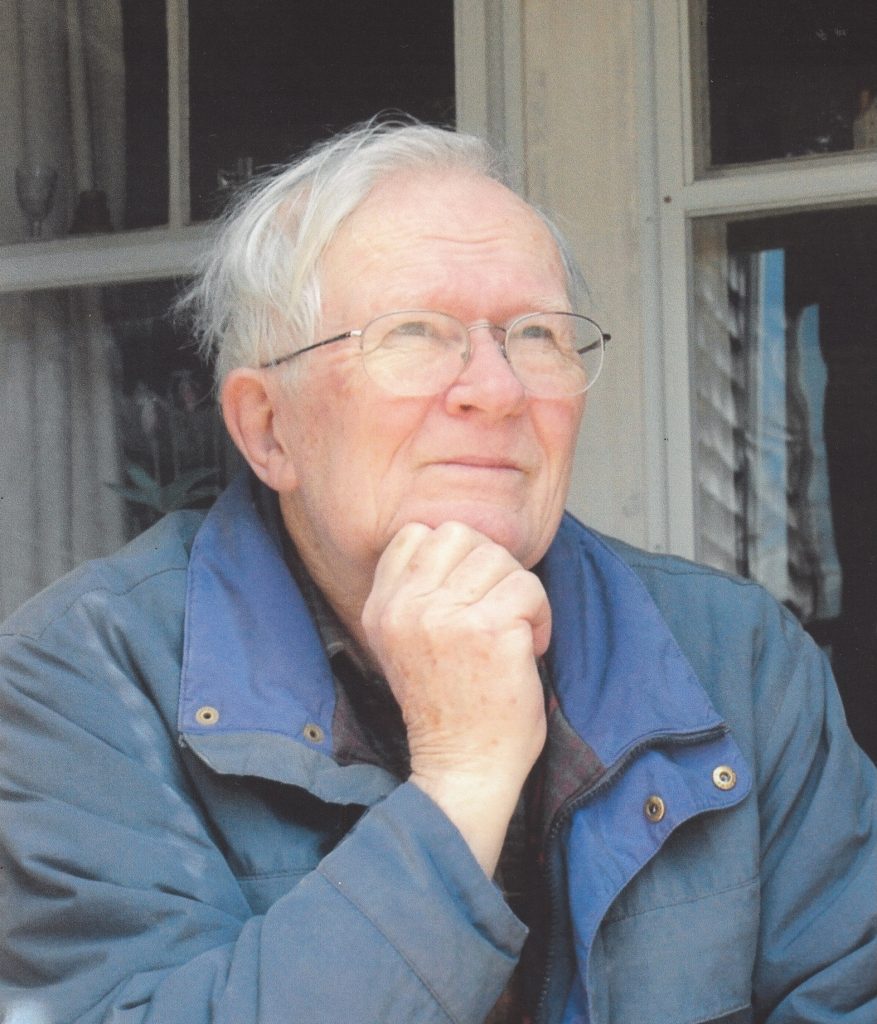
Ralph G. Washburn was born on April 16, 1931 to parents Ralph E. and Pearl Washburn. He attended New Bedford Vocational High School where he learned a lot about electronics. Shortly after World War II, he built a ham radio station on the family farm. Later on, he earned a living fixing TV’s for customers of the family hardware store. He eventually went to work for Sippican Corporation in Marion as a test technician. He had a long career with Sippican and advanced into many of their product design and testing areas. Some of the equipment he worked on was in the Apollo space program. One of these was the warning system that alerted the crew of Apollo 13 that they “had a problem”. Traditionally, advancement usually involved stepping into management positions. Ralph was not interested in that so they designed a new position of principle engineer that he held until retirement. With only a GED high school education, he was still able to be awarded 7 patents during his time at Sippican.

            His love of electronics also extended into the realm of audio. He had an early interest in audio recording and was a very early purchaser of a reel-to-reel tape recorder. After retirement from Sippican, he operated a recording business that recorded the concerts of several local groups including musical performances at Tabor Academy, the Sippican Choral Society, and the Tri Town Band. He recorded most of the early years of the annual Buzzards Bay Music Fest.

            He married Phyllis Mattson on May 16, 1952. They had three children, Peter, Debbie, and Charlie.

            Ralph loved vacations in Vermont and ice cream. He enjoyed photography, classical music, raising roses, and good stereo systems. He built and flew a Benson Gyrocopter which looked similar to a very small helicopter, but the rotor blades were unpowered.

            He and Phyllis adopted mute swans in Marion Harbor. They published a book called “Good Morning Sam” about their friendship and adventures with a handicapped swan that couldn’t fly. Phyllis wrote the story and Ralph provided the photographs. They were known around Marion as the “Swan People” and often had many onlookers when they fed Sam and his friends at the Old Landing. They launched their son Peter’s skiff and rowed it exactly one time to follow Sam. The next time the skiff had a brand-new Honda 5hp outboard! From there, they went to a 27′ trawler named Cygnus Olor which is the Latin genus for mute swans, all so they could be closer to Sam and his friends.

            He is survived by his wife of 73 years, Phyllis, his three children, and many grandchildren and great-grandchildren.

            His Funeral Service will be Thursday, October 9, 2025 at 11 am at the Saunders-Dwyer Mattapoisett Home for Funerals, 50 County Rd., Mattapoisett. Burial will follow in Little Neck Cemetery, Marion. Visiting hours will be Wednesday, October 8th from 4-7 pm. For directions and guestbook, visit www.saundersdwyer.com

George Howard “Indian George” Smith Jr.

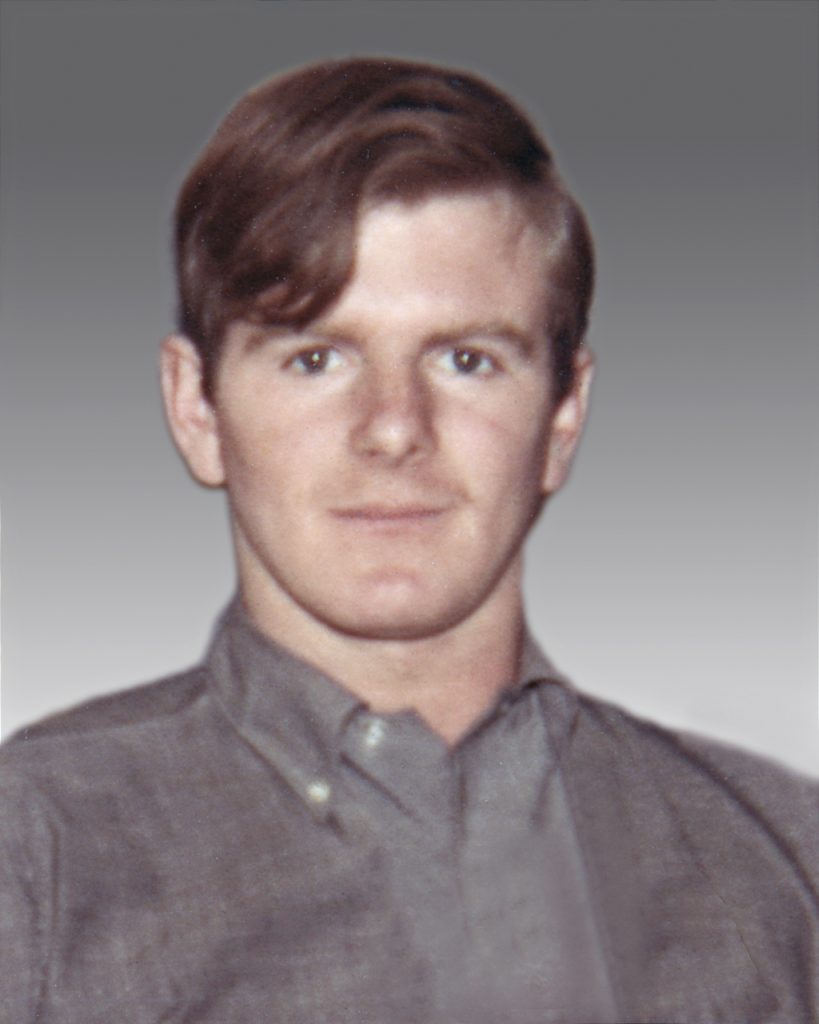
George Howard “Indian George” Smith Jr. of Marion passed away on September 28, 2025 at age 76. George was born in New Bedford, Massachusetts on January 28, 1949, the middle child of the late George H. Smith Sr. and Angela Miller Smith.

            He grew up in Mattapoisett with his sisters Angela and Elizabeth until the family moved to East Hartford, Connecticut where his Father worked at Pratt & Whitney. George’s family bond with his sisters only grew stronger when the family split up, with two young brothers by the late 1950s. George never lost sight of the importance of family and supporting each other, which he earnestly sustained in his later years. He attended South Grammar School in East Hartford, and later the West Main School in Milford, CT in the Class of ’63.

            George met the woman of his dreams through his brother Eddy at the Blue Door in downtown Hartford, marrying her in 1967. With his wife Karen, he shared a passion for motorcycle culture and living life to the fullest. George owned and repaired countless Indian motorcycles, helping to revive their status with his participation in the 1st annual Indian Come Home Day at Springfield, MA in 1972. George worked for many industries over the years, but was most notably a master mechanic and machinist who was most proud of his time as the maintenance man for about a decade at the CRRA in Hartford, CT from 1987 on. He lived in Hartford, East Hartford, Glastonbury and Manchester, CT at various times, and finally moved in with his sisters Elizabeth and Angela Smith at Marion, MA where he was kept in good company.

            George supported his family up until the end, always making sure his wife, two sisters, sons and grandkids were taken care of, sharing a special bond with his grandson Alexander in recent years.

            He was predeceased by his brothers Edward C. and Clifford J. Smith, and is survived by Angela E. and Elizabeth A. Smith of Marion, his former wife Karen O’Connor Smith of East Hartford, CT, his son Michael of Farmington, CT and grandsons Caleb and Alexander, his son Jeffrey of East Granby, CT and grandchildren Evangeline, Kallen, and Cheyenne, his son Matthew Smith of East Hartford, CT and many Miller and Silveira family cousins locally.

            George was a free spirit in every sense but also made his way in this world determined to provide a secure upbringing for his boys. He did so selflessly and will forever be remembered for it.

            His Funeral Service will be private. Arrangements are with the Saunders-Dwyer Mattapoisett Home for Funerals, 50 County Rd. (Rt. 6), Mattapoisett. For online guestbook, visit www.saundersdwyer.com.

Elizabeth (Bette) Willis Scholter

Elizabeth (Bette) Willis Scholter passed away peacefully on October 2, 2025 at the home Bette and Ed built. She was 88. Bette was born on February 17, 1937, daughter of Elton and Doris (Adams) Willis. She grew up in Needham and graduated with the Class of 1955. She received her Bachelor of Arts in Education from Lesley University in 1959. On January 2, 1960, Bette married Edward A. Scholter, whom she met in Mattapoisett, where she spent her summers. Ed and Bette lived and raised two children, Ellen and Eric, in Mattapoisett. They enjoyed traveling around the world and experiencing many cultures.

            Bette volunteered as a member of the New Bedford Rescue League board, Wampanoag Kennel Club, and served as a docent at the New Bedford Whaling Museum for 20 years.

            Bette is survived by her daughter Ellen, and children Justin Gracia, Ethan Gracia, Anya Walker; and her son Eric and his wife Kim and their son Evan, son-in-laws Michael Gracia and Scott Walker, cousin Laura McLeod and her beloved cat, Randall.

            Arrangements are private, In lieu of flowers please make a donation to an animal rescue of your choice.

DeMello’s 52 Years of Service

The Rochester School Committee began its September 25 meeting by acknowledging a comprehensive list of new hires and veteran employees.

            Superintendent Michael Nelson announced that, starting on the first day of the new school year, Sarah George is the new Human Resources manager. Tri-Town resident Lucy Fuller is replacing Kim Reed as district receptionist/administrative assistant. At Rochester Memorial School, Jennifer Rosati is a new paraprofessional. Emily Lacasse is a new speech language pathologist. Lisa Rusello is the principal’s new administrative assistant. Bailey Sweet is a new Special Education teacher, and Meghan Craig is a new paraprofessional. Past Sippican Elementary School staffer Debra Smith is a new RMS Special Education teacher.

            Nelson then acknowledged those with 10 or more years of service to the district. At RMS, that list is highlighted by art teacher Beth Hemenway, who was recently “pinned” for achieving 25 years of school district service this year. Within the region, both Old Rochester Regional Junior High School Principal Silas Coellner and ORR High School Principal Michael Devoll have reached 25 years of service, as has groundskeeper Bill Tilden.

            As a special aside, Nelson noted Margaret DeMello, a paraprofessional and Title 1 Director at Old Hammondtown Elementary School in Mattapoisett, has served the ORR District for 51 years. “And she is back for her fifty-second,” he said.

            In other action, the school committee approved accepting $833.33 from the Savaas Learning Company that will be used for supplemental curriculum materials and a donation of miscellaneous school supplies from the Rochester Democratic Town Committee.

            The committee approved a Small Rural School Achievement Program grant award of $55,317 from the U.S. Department of Education that will be used to offset the cost of school materials.

            The committee announced the next meeting of the Joint School Committee on Thursday, October 9, in the ORR Junior High Media Center, 133 Marion Road, Mattapoisett.

            The Rochester School Committee’s next meeting will be held on Thursday, November 6, at 6:00 pm at Rochester Memorial School, 16 Pine Street.

Rochester School Committee

By Michael J. DeCicco

Is Acetaminophen Harmful in Pregnancy?

The short answer to that question is: probably not but we cannot be certain.

            Let me beg your indulgence in an explanation about why that is the only honest answer I can give you.

            The “gold standard” in assessing the risks and benefits of any medication is the “controlled trial”. In such a trial, a large group of people are randomly assigned to drug A or drug B or to Drug A or placebo. This tends to ensure that differences in outcomes between the people taking one treatment or the other are due to the treatment and not to the characteristics of the people taking them. With a large enough group and truly random assignment, differences among the subjects are assumed to be evenly spread.

            Historically, drug trials have excluded pregnant women because the trial sponsors worried that they would be sued for any bad birth outcomes. While this did protect the trial sponsors, it meant that most of the time, we were totally in the dark about the safety and efficacy of drugs when prescribed to pregnant women.

            The fallback has been the “observational trial.” You look at a group who took a given drug and compared their outcomes to a group who did not.

            The enormous problem with observational trials is that they are often comparing apples to oranges. People who take a medicine on their own are not the same as those who do not.

            Let us take acetaminophen as an example. We know that about 60% of women take it during pregnancy. Most of the trials that report more neurodevelopmental disorders (autism, ADHD) in acetaminophen users compare women who used it with those who did not.

            What is the commonest reason for acetaminophen use? It is fever. Thus, acetaminophen users are much more likely to have had febrile illnesses than those who did not use it. If there is an increased incidence of autism among users, the culprit might just as easily be the febrile illness, not the drug.

            Until someone – and realistically it will have to be the NIH, as no commercial firm will pay for it – does a controlled trial comparing pregnancy outcomes among women who take acetaminophen with those who take a placebo, we will be offering advice either way with imperfect data.

            The closest I can find to a good study is one out of Sweden that used successive pregnancies of women who had more than one child, comparing the siblings and looking at acetaminophen use. This study found no increase in autism, ADHD or learning problems caused by acetaminophen use. Again, though, this was an observational study.

            Given this, what is the best advice you can take?

            First, as is true for all medications, take medication only when you need it. A temperature of 99.6 does not need treatment. A temperature of 102 is harmful to the fetus and should be treated. If you have a backache that can be relieved with heat or a backrub, skip the pills. If you are very uncomfortable, acetaminophen is clearly safer than anti-inflammatories such as ibuprofen or naproxen, that are known to cause fetal malformation, or narcotics.

            Second, try to take it for as short a time as possible. The limited data we have suggests that chronic use is worse than occasional use, and that makes physiological sense.

            Edward Hoffer MD is Associate Professor of Medicine, part-time, at Harvard.

What Does The Doctor Say?

By Dr. Edward Hoffer

From the Files of the Rochester Historical Society

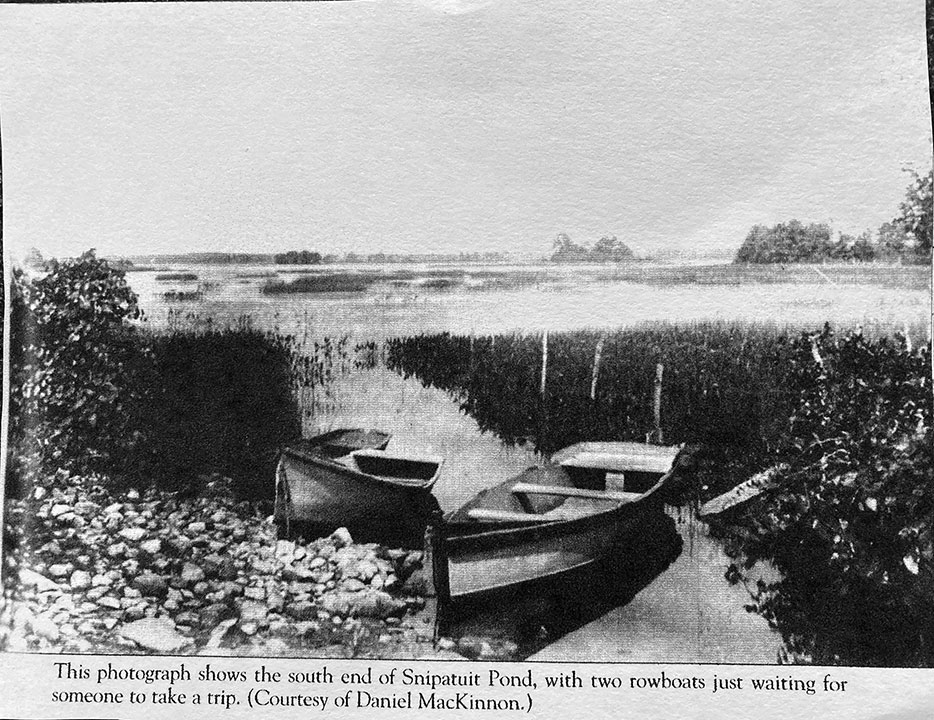
When I think about moonshine and rotgut liquor, which I assure you that I rarely do, I think of places like Arkansas or Tennessee with revenuers chasing old pickup trucks through the hills. In that scenario, Rochester never comes to mind. However, as I was looking through the diary of Annie Hartley Gurney written in 1920, I came across an interesting entry.

            On May 26, 1920, she writes that the Acushnet constable, Mr. Gifford, stopped at the Hartley home and along with him was a federal marshal and another man (maybe a revenuer). The men had been up to Snipatuit Pond and found a still. They asked Henry Hartley and the others who were out in the front yard, if they knew anything about it. The general consensus was that they had been suspicious of” the cottages up there for some time as trucks loaded with barrels had been seen going up.”

            Later the same day, Herbert Eddleston, Edwin and Greenwood Hartley went to check out the area, and they brought back two barrels of molasses, a partial barrel and ten empty barrels. The still was made of copper and there was a large jug of “the stuff” that was being produced.

            All of this was loaded onto a pickup truck and Henry drove it over to the Gifford’s. As Annie says at the end of this entry, “The day has been rather exciting.”

By Connie Eshbach

Sippican Woman’s Club

The magic of our Holiday by the Sea House Tour doesn’t end when the doors close – it continues all year long through the good we’re able to do together. Thanks to the generosity of our community and the success of last year’s tour, the Sippican Woman’s Club is proud to continue distributing proceeds to local organizations that make a difference every day.

            Our recent giving includes support for the Taber Library, helping bridge the gap created by recent budget cuts so this cherished community resource can remain a center of education, entertainment and exploration. We’re also helping Marion Recreation enhance accessibility with new handicap-accessible equipment, ensuring everyone can enjoy the town’s recreational spaces.

            Our philanthropy extends to Anchor Academy, a special education therapeutic day school providing vital support and opportunities for students with unique needs. We’re excited to support the Rochester Council on Aging, which enriches the lives of local seniors and preparing for expansion, and we continue to support the General Store’s Family Fund, which partners with school nurses to assist local families in times of need.

            Each of these contributions reflects the heart of who we are – a community of women dedicated to making Marion and the surrounding towns a better place. When you join us for the Holiday by the Sea House Tour on December 13, you’re not just celebrating the season – you’re helping us create meaningful change right here at home all year long.

            All women are welcome to join us. Membership in the Sippican Woman’s Club is open to anyone who shares our spirit of friendship, community, and service with a connection to Marion. To learn more about what we do – and how you can be part of it – visit SippicanWomansClub.org.

Ethan Allen’s Capture

            This week in Revolutionary War History, let’s discuss what was going on 250 years ago in and around the colonial Province of Massachusetts Bay.

            Last week was busy: Washington attempted to maintain his land claims to nearly 20,000 acres in what would become Ohio; Washington works with Nicholas Cooke to permit merchants in Providence to buy arms and powder in the Caribbean; a mutiny aboard the American schooner the Hannah occurred, leading to the flogging of 13 and fines for another 21 sailors; and finally, the Continental Congress began to amass resources to get the army through the encroaching winter.

            On September 24, 1775, Washington’s General Orders, following the court martial of Major Scarborough Gridley for “being deficient in his duty upon the 17th June last, the day of the Action upon Bunkers-hill,” declare the desire to name and index all soldiers in the army, per request from the Massachusetts House of Representatives. The main information needed by the governing body is troop count in order to ascertain supply needs for the winter. They need to know who is stationed around Boston, who is heading north to Quebec, and who is dead.

            Of the voyage to Quebec, Colonel Benedict Arnold writes to Washington on September 25, telling the general of their arrival to Fort Weston, District of Maine (near Augusta). This same day further north, Ethan Allen, hero of Fort Ticonderoga and a leader of the Green Mountain Boys, is captured following his defeat at the Battle of Longue Pointe just outside Montreal. Allen would remain a prisoner aboard British ships until a prisoner exchange nearly three years later in 1778.

            The next day, Nicholas Cooke of Rhode Island cautions against future trips to Bermuda for arms and powder. He instead re-emphasizes the proposition discussed last week of sending ships to Bayonne, France to pick up from friendly merchants. He states he will forward this plan to the Continental Congress in Philadelphia. His writings also highlight the importance of Falmouth, being the origin point of more possible supply trips to Bermuda.

            On September 28, the Canadian Brigantine Dolphin is found anchored off Thatcher Island near Gloucester. The Gloucester Committee of Safety writes to Washington to inform him the ship was carrying 68 sheep and 45 oxen, a gift to British soldiers stationed in Boston from merchants in Quebec. A few days later, he would order the Dolphin to be seized, and cargo sold by the committee.

            Also on September 28, Washington writes to the Massachusetts General Court informing them of communications he’s received from the Oneida tribe, a member of Haudenosaunee (Iroquois Confederacy). He states of a visiting representative, “his tribe has been very friendly to the cause of the united colonies.” Washington emphasized this meeting’s importance to the court and urges further cooperation to sway the people into joining the conflict more directly.

            On September 29, Nicholas Cooke writes to Washington to inform him that the 74 men stationed on Block Island have observed “six transports, with some ships of war, are now in the Vineyard Sound, designed, without doubt, to procure another supply of fresh stock.” The British ships are patrolling the waters, looking to raid and capture provisions and livestock.

            On September 30, Washington’s General Orders highlight the postponement of a court hearing between surgeons and Chief Physician & Director General Benjamin Church of Newport. Doctor Church, the day prior, had been found to have “carried on with the enemy” following the deciphering of his letters. His trial would be discussed at an official Counsil of War on October 3.

This Week In Revolutionary History…

By Sam Bishop

Committee Appointments Scheduled

The Marion Finance Committee met remotely on Wednesday, September 24 via Microsoft Teams for a review of the applications submitted by G.R. Pitman and Mal Durkee to serve as alternate members. This would be followed by reorganization and appointments to committee positions.

            The meeting began with a unanimous vote in favor of approving the two applicants. This vote appoints Pitman and Durkee as the two alternates for the committee. “We have a full committee, that’s fantastic,” said Sean Healy, acting as chair of the meeting with Shay Assad’s absence.

            For appointments, Healy asked if the appointment of a committee officer should take place at this meeting. Donna Hemphill, the executive assistant to the Select Board, recommended this decision be tabled until the chair (Assad) and other committee members were present, making it a full-committee decision. Hemphill added which positions need to be decided, those being a chair, vice chair, and clerk, the latter of which is responsible for recording meeting minutes.

            With the two agenda items taken care of, the committee discussed when said appointments would take place. Hemphill and the committee agreed to meet remotely at 4:30 pm on Wednesday, October 1 for the Finance Committee Appointing Committee via Microsoft Teams.

            The next regular meeting of the Marion Finance Committee is tentatively scheduled to take place Wednesday, October 15.

Marion Finance Committee

By Sam Bishop