|
|
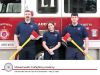
Massachusetts Firefighting Academy139 viewsState Fire Marshal Jon M. Davine announced the graduation of 40 recruits from the Massachusetts Firefighting Academy’s Call/Volunteer Recruit Firefighter Training Program including: from Marion: Zachary Dewitt, Alyssa Hume-Hennessy, and Wayne Cash.
|
|
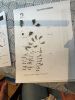
Marion Natural History Museum138 viewsOn March 11, the Marion Natural History Museum's adult group had a chance to learn about owl-feeding habitats. Owls swallow their prey whole or in large pieces, and when the pellet is regurgitated, the undigestible pieces reappear. Bones, hair, and exoskeletons are common in owl pellets and can help observers identify the type of prey consumed as well as where it might have been caught. Many found more than one skull in their pellets. The group had fun together dissecting sterilized Barn Owl pellets and tak
|
|
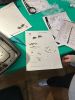
Marion Natural History Museum136 viewsWednesday afternoon, the Marion Natural History Museum's afterschool group had a chance to learn about the diet of barn owls. Given they are birds of prey, there's mainly rodents and small birds on their menu. The owl must regurgitate the indigestible bones, fur, feathers, etc. by forming a pellet before eating another meal. We had a chance to explore sterilized owl pellets and identify the bones of the prey animals. It was not unusual to find more than one skull per pellet. The kids did a great job using t
|
|

Marion Natural History Museum135 viewsThe Marion Natural History Museum's afterschool group had a great time learning about propulsion, drag and lift while building their own rockets. The kids had a chance to add different components to the rockets as well as proper parachute placement. Outside, we added the explosive charge, and everyone had a chance to launch their rockets. The museum wishes to thank rocket enthusiast and volunteer Mike Cronin for his many years of providing this program. The museum also wishes to thank volunteer Gia Goodwin,
|
|

Marion's Independence Day Parade135 viewsResidents lined Spring, Mill, Front and Main streets on Saturday morning to enjoy Marion's Independence Day Parade. The lineup featured community veterans of foreign wars, town officials, volunteer organizations such as The Friends of Jack and Friends of the Marion Council on Aging, the Scouts of America, several floats celebrating the nation's 250th birthday, police and fire trucks from Marion and surrounding towns, Photos by Mick Colageo
|
|

Marion Memorial Day134 viewsTechnical Sergeant Sean Givens addresses Monday’s Memorial Day gathering at Sippican Elementary School in Marion. Photo by Robert Pina
|
|

Marion Memorial Day133 viewsPlanting geraniums at Veterans Graves in Marion for Memorial Day. Photo by Robert Pina
|
|

Boston Post Cane133 viewsRoy Wilson "Will" Wingate is Marion's eldest resident, and he was honored last week with the Boston Post Cane in celebration of his 101st birthday.
A Boston Post Cane is a gold-headed ebony cane periodically offered to the eldest citizen of a New England town. The now-defunct Boston Post newspaper began the tradition in 1909. The canes belong to the town, but they are passed from one eldest resident to the next.
Wingate's daughter was in attendance along with his 100-year-old wife Ann.
|
|

Marion Memorial Day131 viewsTechnical Sergeant Sean Givens addresses Monday’s Memorial Day gathering at Sippican Elementary School in Marion. Photo by Robert Pina
|
|
129 views
|
|
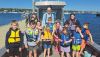
Ram Island129 viewsWe had fun at our final spring after-school get together exploring and mapping the many landscape features of Ram Island. Thank you to Dr. Moore for showing us and explaining important aspects of his salt marshes and salt pond and exploring many tidal animals and plants. We found the north, south, east, and west poles and were able to locate the osprey nests accordingly. Thank you Dr. Moore for the wonderful trip! Upcoming summer programs, including Coastal Explorations half-day program, may be found on our
|
|
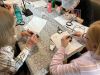
Marion Natural History Museum128 viewsOn March 11, the Marion Natural History Museum's adult group had a chance to learn about owl-feeding habitats. Owls swallow their prey whole or in large pieces, and when the pellet is regurgitated, the undigestible pieces reappear. Bones, hair, and exoskeletons are common in owl pellets and can help observers identify the type of prey consumed as well as where it might have been caught. Many found more than one skull in their pellets. The group had fun together dissecting sterilized Barn Owl pellets and tak
|
|
| 7799 files on 650 page(s) |
 |
|
|
|
|
642 | |
|
|
|
|