|
|
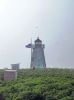
Bird Island Lighthouse16 viewsThe image shows the Bird Island Lighthouse and nesting tern species flying around, with Assistant Harbormaster Peter O'Brien adjusting the American flag. Taken while on Bird Island for part of the Marion Natural History Museum's summer program, led by Elizabeth Leidhold. I was a counselor at the summer program, and the Marion Harbormaster was kind enough to take our group out to the island to educate the students about the conservation efforts underway there. Photo by Allyson Alford
|
|

Marion Town Party77 viewsThe annual Marion Town Party was on Saturday evening. Following a great day for the beach, residents pooled into the field by Silvershell Beach for their midsummer party, celebrating summer and community in the party that has gone on longer than anyone remembers. Photo by Shawn Sweet
|
|

Marion Town Party68 viewsThe annual Marion Town Party was on Saturday evening. Following a great day for the beach, residents pooled into the field by Silvershell Beach for their midsummer party, celebrating summer and community in the party that has gone on longer than anyone remembers. Photo by Shawn Sweet
|
|

Marion Town Party74 viewsThe annual Marion Town Party was on Saturday evening. Following a great day for the beach, residents pooled into the field by Silvershell Beach for their midsummer party, celebrating summer and community in the party that has gone on longer than anyone remembers. Photo by Shawn Sweet
|
|

Marion Town Party62 viewsThe annual Marion Town Party was on Saturday evening. Following a great day for the beach, residents pooled into the field by Silvershell Beach for their midsummer party, celebrating summer and community in the party that has gone on longer than anyone remembers. Photo by Shawn Sweet
|
|

Marion Town Party62 viewsThe annual Marion Town Party was on Saturday evening. Following a great day for the beach, residents pooled into the field by Silvershell Beach for their midsummer party, celebrating summer and community in the party that has gone on longer than anyone remembers. Photo by Shawn Sweet
|
|

Marion Town Party55 viewsThe annual Marion Town Party was on Saturday evening. Following a great day for the beach, residents pooled into the field by Silvershell Beach for their midsummer party, celebrating summer and community in the party that has gone on longer than anyone remembers. Photo by Shawn Sweet
|
|

Marion Town Party60 viewsThe annual Marion Town Party was on Saturday evening. Following a great day for the beach, residents pooled into the field by Silvershell Beach for their midsummer party, celebrating summer and community in the party that has gone on longer than anyone remembers. Photo by Shawn Sweet
|
|

Marion Town Party60 viewsThe annual Marion Town Party was on Saturday evening. Following a great day for the beach, residents pooled into the field by Silvershell Beach for their midsummer party, celebrating summer and community in the party that has gone on longer than anyone remembers. Photo by Shawn Sweet
|
|

Marion Natural History Museum64 viewsA dramatic meteor event that shook homes across southern New England took center stage at the Marion Natural History Museum on July 24, 2026. Dr. Sarah Caudill, Professor of Astronomy at the University of Massachusetts Dartmouth, presented a program on the spectacular May 30 Cape Cod Bay fireball. Many thanks to Professor Caudill for the fascinating program. Photo courtesy Elizabeth Leidhold
|
|

Marion Natural History Museum66 viewsA dramatic meteor event that shook homes across southern New England took center stage at the Marion Natural History Museum on July 24, 2026. Dr. Sarah Caudill, Professor of Astronomy at the University of Massachusetts Dartmouth, presented a program on the spectacular May 30 Cape Cod Bay fireball. Many thanks to Professor Caudill for the fascinating program. Photo courtesy Elizabeth Leidhold
|
|
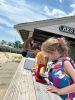
Marion Natural History Museum108 viewsWe had a rainy start to our week at the Coastal Explorations with the Marion Natural History Museum but didn’t let that deter us from catching frogs and fish, exploring ponds, salt marshes and rocky beaches, and making friends. Photos courtesy Elizabeth Leidhold
|
|
| 7799 files on 650 page(s) |
1 |
 |
|
|
|
|
|
|
|
|
|