|
|
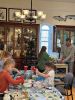
Marion Natural History Museum161 viewsThe Marion Natural History Museum’s afterschool group had a wonderful time on December 17 using recycled and natural materials for gift giving. We made snow globes, bird feeders, shell ornaments, and more! We also enjoyed snacks and having fun visiting with friends. The museum wishes to thank all the terrific volunteers that came out to help. Happy Holidays from the museum and see you soon. Photos courtesy Elizabeth Leidhold
|
|

Marion's Independence Day Parade157 viewsResidents lined Spring, Mill, Front and Main streets on Saturday morning to enjoy Marion's Independence Day Parade. The lineup featured community veterans of foreign wars, town officials, volunteer organizations such as The Friends of Jack and Friends of the Marion Council on Aging, the Scouts of America, several floats celebrating the nation's 250th birthday, police and fire trucks from Marion and surrounding towns, Photos by Mick Colageo
|
|

Marion Fireworks156 viewsMarion Fireworks
|
|
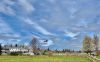
Front Street in Marion153 viewsFront Street in Marion. Photo by Ruth A Griffin
|
|
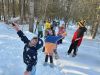
Marion Natural History Museum152 viewsOn February 4, the Marion Natural History Museum’s afterschool group learned a few things about our most common backyard birds with Carol Molander of the Nasketucket Bird Club. In preparation for the Great Backyard Bird Count (February 13 and February 16), the kids received their own mini-guides showing images of the birds and also listened to their very distinct calls. When we ventured outside, the kids were the first to see a red-tailed hawk circling overhead. We also saw a European starling, American cro
|
|

Marion Natural History Museum151 viewsOn February 4, the Marion Natural History Museum’s afterschool group learned a few things about our most common backyard birds with Carol Molander of the Nasketucket Bird Club. In preparation for the Great Backyard Bird Count (February 13 and February 16), the kids received their own mini-guides showing images of the birds and also listened to their very distinct calls. When we ventured outside, the kids were the first to see a red-tailed hawk circling overhead. We also saw a European starling, American cro
|
|

Marion Natural History Museum151 viewsThe Marion Natural History Museum had a great time learning about Marion’s history with salt work operations. We learned about their locations and why they flourished and the taxes that put them out of business. We looked at many different salt types and an amazing range of colors depending on the geology of the area where they were collected. Pink from the Himalayas, black from Iceland and several different salt textures. We had a chance to explore these different salt types including salt from Sippica
|
|

Marion Memorial Day151 viewsTechnical Sergeant Sean Givens addresses Monday’s Memorial Day gathering at Sippican Elementary School in Marion. Photo by Robert Pina
|
|

Marion Natural History Museum149 viewsOn March 11, the Marion Natural History Museum's adult group had a chance to learn about owl-feeding habitats. Owls swallow their prey whole or in large pieces, and when the pellet is regurgitated, the undigestible pieces reappear. Bones, hair, and exoskeletons are common in owl pellets and can help observers identify the type of prey consumed as well as where it might have been caught. Many found more than one skull in their pellets. The group had fun together dissecting sterilized Barn Owl pellets and tak
|
|
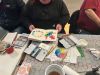
Marion Natural History Museum145 viewsOn Saturday, January 10 the Marion Natural History Museum’s Nature Journaling program had a great time working with watercolors. We created color wheels and different techniques we could use to paint with watercolors. Next program is February 21 - Pen and Ink and Ink Wash. No experience necessary. To register please go to the museum’s website: www.marionmuseum.org. Photo courtesy Elizabeth Leidhold
|
|

Marion Natural History Museum143 viewsThe Marion Natural History Museum had a great time learning about Marion’s history with salt work operations. We learned about their locations and why they flourished and the taxes that put them out of business. We looked at many different salt types and an amazing range of colors depending on the geology of the area where they were collected. Pink from the Himalayas, black from Iceland and several different salt textures. We had a chance to explore these different salt types including salt from Sippican Ha
|
|

Marion Memorial Day141 viewsTechnical Sergeant Sean Givens addresses Monday’s Memorial Day gathering at Sippican Elementary School in Marion.
|
|
| 7799 files on 650 page(s) |
 |
|
|
|
|
641 | |
|
|
|
|