|
|

Marion's Independence Day Parade71 viewsResidents lined Spring, Mill, Front and Main streets on Saturday morning to enjoy Marion's Independence Day Parade. The lineup featured community veterans of foreign wars, town officials, volunteer organizations such as The Friends of Jack and Friends of the Marion Council on Aging, the Scouts of America, several floats celebrating the nation's 250th birthday, police and fire trucks from Marion and surrounding towns, Photos by Mick Colageo Jul 09, 2026
|
|

Marion's Independence Day Parade87 viewsResidents lined Spring, Mill, Front and Main streets on Saturday morning to enjoy Marion's Independence Day Parade. The lineup featured community veterans of foreign wars, town officials, volunteer organizations such as The Friends of Jack and Friends of the Marion Council on Aging, the Scouts of America, several floats celebrating the nation's 250th birthday, police and fire trucks from Marion and surrounding towns, Photos by Mick Colageo Jul 09, 2026
|
|
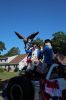
Marion's Independence Day Parade80 viewsResidents lined Spring, Mill, Front and Main streets on Saturday morning to enjoy Marion's Independence Day Parade. The lineup featured community veterans of foreign wars, town officials, volunteer organizations such as The Friends of Jack and Friends of the Marion Council on Aging, the Scouts of America, several floats celebrating the nation's 250th birthday, police and fire trucks from Marion and surrounding towns, Photos by Mick Colageo Jul 09, 2026
|
|
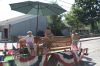
Marion's Independence Day Parade93 viewsResidents lined Spring, Mill, Front and Main streets on Saturday morning to enjoy Marion's Independence Day Parade. The lineup featured community veterans of foreign wars, town officials, volunteer organizations such as The Friends of Jack and Friends of the Marion Council on Aging, the Scouts of America, several floats celebrating the nation's 250th birthday, police and fire trucks from Marion and surrounding towns, Photos by Mick Colageo Jul 09, 2026
|
|

Marion's Independence Day Parade58 viewsResidents lined Spring, Mill, Front and Main streets on Saturday morning to enjoy Marion's Independence Day Parade. The lineup featured community veterans of foreign wars, town officials, volunteer organizations such as The Friends of Jack and Friends of the Marion Council on Aging, the Scouts of America, several floats celebrating the nation's 250th birthday, police and fire trucks from Marion and surrounding towns, Photos by Mick Colageo Jul 09, 2026
|
|

Marion's Independence Day Parade85 viewsResidents lined Spring, Mill, Front and Main streets on Saturday morning to enjoy Marion's Independence Day Parade. The lineup featured community veterans of foreign wars, town officials, volunteer organizations such as The Friends of Jack and Friends of the Marion Council on Aging, the Scouts of America, several floats celebrating the nation's 250th birthday, police and fire trucks from Marion and surrounding towns, Photos by Mick Colageo Jul 09, 2026
|
|
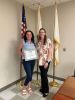
Cathy Barker83 viewsThe Assistant Town Clerk of Marion, Cathy Barker, received the General Code's Municipal Clerks Honor Roll Award last week. Attaining the most nominations in the entire state, Barker stands next to Town Clerk Katrina Desroches to accept the award. Photo submitted by Katrina DesrochesJul 01, 2026
|
|

Marion Natural History Museum101 viewsThe Marion Natural History Museum’s Drawing from nature program had a wonderful time drawing with the nature journal group at Washburn Park. Beautiful weather, gorgeous scenery and such a fun group of people! Thanks go to Tricia for sharing her expertise with our museum. Photos courtesy Elizabeth LeidholdJun 18, 2026
|
|
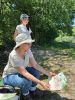
Marion Natural History Museum106 viewsThe Marion Natural History Museum’s Drawing from nature program had a wonderful time drawing with the nature journal group at Washburn Park. Beautiful weather, gorgeous scenery and such a fun group of people! Thanks go to Tricia for sharing her expertise with our museum. Photos courtesy Elizabeth LeidholdJun 18, 2026
|
|
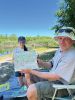
Marion Natural History Museum73 viewsThe Marion Natural History Museum’s Drawing from nature program had a wonderful time drawing with the nature journal group at Washburn Park. Beautiful weather, gorgeous scenery and such a fun group of people! Thanks go to Tricia for sharing her expertise with our museum. Photos courtesy Elizabeth LeidholdJun 18, 2026
|
|

Marion Natural History Museum85 viewsThe Marion Natural History Museum’s Drawing from nature program had a wonderful time drawing with the nature journal group at Washburn Park. Beautiful weather, gorgeous scenery and such a fun group of people! Thanks go to Tricia for sharing her expertise with our museum. Photos courtesy Elizabeth LeidholdJun 18, 2026
|
|

Chicken Bake77 viewsThe Marion Council on Aging sponsored a Chicken Bake held at the Marion Social Club this past week. Photos by Robert PinaJun 18, 2026
|
|
| 7798 files on 650 page(s) |
 |
|
|
5 | |
|
|
|
|
|
|