|
|
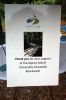
Osprey Marsh Accessible Boardwalk355 viewsDespite a downpour perfectly timed for its planned gathering on Friday off Point Road in Marion, the Sippican Lands Trust celebrated the completion of the new Osprey Marsh Accessible Boardwalk. Executive Director Jim Bride and president Alan Harris held a live Zoom meeting for those who could not attend, and some of the donors for the project assisted in the ribbon-cutting. The boardwalk is open by appointment. See story by Marilou Newell. Photo by Mick ColageoJul 22, 2020
|
|
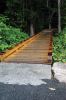
Osprey Marsh Accessible Boardwalk337 viewsDespite a downpour perfectly timed for its planned gathering on Friday off Point Road in Marion, the Sippican Lands Trust celebrated the completion of the new Osprey Marsh Accessible Boardwalk. Executive Director Jim Bride and president Alan Harris held a live Zoom meeting for those who could not attend, and some of the donors for the project assisted in the ribbon-cutting. The boardwalk is open by appointment. See story by Marilou Newell. Photo by Mick ColageoJul 22, 2020
|
|
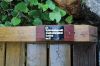
Osprey Marsh Accessible Boardwalk378 viewsDespite a downpour perfectly timed for its planned gathering on Friday off Point Road in Marion, the Sippican Lands Trust celebrated the completion of the new Osprey Marsh Accessible Boardwalk. Executive Director Jim Bride and president Alan Harris held a live Zoom meeting for those who could not attend, and some of the donors for the project assisted in the ribbon-cutting. The boardwalk is open by appointment. See story by Marilou Newell. Photo by Mick ColageoJul 22, 2020
|
|
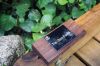
Osprey Marsh Accessible Boardwalk410 viewsDespite a downpour perfectly timed for its planned gathering on Friday off Point Road in Marion, the Sippican Lands Trust celebrated the completion of the new Osprey Marsh Accessible Boardwalk. Executive Director Jim Bride and president Alan Harris held a live Zoom meeting for those who could not attend, and some of the donors for the project assisted in the ribbon-cutting. The boardwalk is open by appointment. See story by Marilou Newell. Photo by Mick ColageoJul 22, 2020
|
|
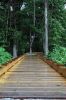
Osprey Marsh Accessible Boardwalk388 viewsDespite a downpour perfectly timed for its planned gathering on Friday off Point Road in Marion, the Sippican Lands Trust celebrated the completion of the new Osprey Marsh Accessible Boardwalk. Executive Director Jim Bride and president Alan Harris held a live Zoom meeting for those who could not attend, and some of the donors for the project assisted in the ribbon-cutting. The boardwalk is open by appointment. See story by Marilou Newell. Photo by Mick ColageoJul 22, 2020
|
|
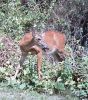
Backyard deer on Point Road369 viewsBackyard deer on Point Road. – Robert PinaJul 22, 2020
|
|
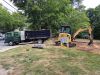
Elizabeth Taber Statue401 viewsOn July 14, work began on the Elizabeth Taber Statue site at Bicentennial Park in Marion. The site will include granite steppers, concrete paving, lighting, two wooden benches and a granite bench for Elizabeth to sit on. There will be room on either side of the granite bench for folks to sit and thank Elizabeth for all that she did for Marion. Susannah Davis of Marion has designed the plantings that will be added around the site. – Judith RosbeJul 15, 2020
|
|
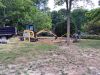
Elizabeth Taber Statue423 viewsOn July 14, work began on the Elizabeth Taber Statue site at Bicentennial Park in Marion. The site will include granite steppers, concrete paving, lighting, two wooden benches and a granite bench for Elizabeth to sit on. There will be room on either side of the granite bench for folks to sit and thank Elizabeth for all that she did for Marion. Susannah Davis of Marion has designed the plantings that will be added around the site. – Judith RosbeJul 15, 2020
|
|

Arts In The Park405 views“Arts In The Park” festival hosted by the Marion Art Center. Photo by Ryan FeeneyJul 15, 2020
|
|

Arts In The Park373 views“Arts In The Park” festival hosted by the Marion Art Center. Photo by Ryan FeeneyJul 15, 2020
|
|

Arts In The Park354 views“Arts In The Park” festival hosted by the Marion Art Center. Photo by Ryan FeeneyJul 15, 2020
|
|

Arts In The Park391 views“Arts In The Park” festival hosted by the Marion Art Center. Photo by Ryan FeeneyJul 15, 2020
|
|
| 7799 files on 650 page(s) |
 |
|
|
|
|
169 | |
|
|
|
|