|
|

Marion Natural History Museum110 viewsOn Wednesday, March 25, the Marion Natural History Museum's afterschool group investigated some of the inhabitants of the vernal pools of Marion. The students heard about the nature of these pools and why these amphibians need this temporary habitat to survive. We took a close-up look at wood-frog egg masses, green-frog tadpoles and Water Boatmen, a fun insect that has legs like oars and can move swiftly across the pool. To view all of our upcoming programs, please visit marionmuseum.org. Photos courtesy ElApr 08, 2026
|
|

Marion Natural History Museum148 viewsOn Wednesday, March 25, the Marion Natural History Museum's afterschool group investigated some of the inhabitants of the vernal pools of Marion. The students heard about the nature of these pools and why these amphibians need this temporary habitat to survive. We took a close-up look at wood-frog egg masses, green-frog tadpoles and Water Boatmen, a fun insect that has legs like oars and can move swiftly across the pool. To view all of our upcoming programs, please visit marionmuseum.org. Photos courtesy ElApr 08, 2026
|
|

Marion Natural History Museum117 viewsWednesday afternoon, the Marion Natural History Museum's afterschool group had a chance to learn about the diet of barn owls. Given they are birds of prey, there's mainly rodents and small birds on their menu. The owl must regurgitate the indigestible bones, fur, feathers, etc. by forming a pellet before eating another meal. We had a chance to explore sterilized owl pellets and identify the bones of the prey animals. It was not unusual to find more than one skull per pellet. The kids did a great job using tMar 18, 2026
|
|

Marion Natural History Museum160 viewsWednesday afternoon, the Marion Natural History Museum's afterschool group had a chance to learn about the diet of barn owls. Given they are birds of prey, there's mainly rodents and small birds on their menu. The owl must regurgitate the indigestible bones, fur, feathers, etc. by forming a pellet before eating another meal. We had a chance to explore sterilized owl pellets and identify the bones of the prey animals. It was not unusual to find more than one skull per pellet. The kids did a great job using tMar 18, 2026
|
|
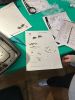
Marion Natural History Museum121 viewsWednesday afternoon, the Marion Natural History Museum's afterschool group had a chance to learn about the diet of barn owls. Given they are birds of prey, there's mainly rodents and small birds on their menu. The owl must regurgitate the indigestible bones, fur, feathers, etc. by forming a pellet before eating another meal. We had a chance to explore sterilized owl pellets and identify the bones of the prey animals. It was not unusual to find more than one skull per pellet. The kids did a great job using tMar 18, 2026
|
|
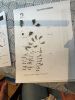
Marion Natural History Museum128 viewsOn March 11, the Marion Natural History Museum's adult group had a chance to learn about owl-feeding habitats. Owls swallow their prey whole or in large pieces, and when the pellet is regurgitated, the undigestible pieces reappear. Bones, hair, and exoskeletons are common in owl pellets and can help observers identify the type of prey consumed as well as where it might have been caught. Many found more than one skull in their pellets. The group had fun together dissecting sterilized Barn Owl pellets and takMar 18, 2026
|
|
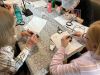
Marion Natural History Museum117 viewsOn March 11, the Marion Natural History Museum's adult group had a chance to learn about owl-feeding habitats. Owls swallow their prey whole or in large pieces, and when the pellet is regurgitated, the undigestible pieces reappear. Bones, hair, and exoskeletons are common in owl pellets and can help observers identify the type of prey consumed as well as where it might have been caught. Many found more than one skull in their pellets. The group had fun together dissecting sterilized Barn Owl pellets and takMar 18, 2026
|
|

Marion Natural History Museum134 viewsOn March 11, the Marion Natural History Museum's adult group had a chance to learn about owl-feeding habitats. Owls swallow their prey whole or in large pieces, and when the pellet is regurgitated, the undigestible pieces reappear. Bones, hair, and exoskeletons are common in owl pellets and can help observers identify the type of prey consumed as well as where it might have been caught. Many found more than one skull in their pellets. The group had fun together dissecting sterilized Barn Owl pellets and takMar 18, 2026
|
|

Elizabeth Tabor160 viewsThe grave of Elizabeth Tabor and her husband, Stephen Taber at Acushnet Cemetery. Elizabeth would change the “e” in her name to an “o” later in life to reflect the spelling of Mount Tabor in Galilee. Their plot, marked by an obelisk, contains their graves as well as their children. Photo by Sam BishopMar 11, 2026
|
|

Elizabeth Tabor157 viewsThe grave of Elizabeth Tabor and her husband, Stephen Taber at Acushnet Cemetery. Elizabeth would change the “e” in her name to an “o” later in life to reflect the spelling of Mount Tabor in Galilee. Their plot, marked by an obelisk, contains their graves as well as their children. Photo by Sam BishopMar 11, 2026
|
|

Marion Natural History Museum159 viewsThe Marion Natural History Museum had a great time learning about Marion’s history with salt work operations. We learned about their locations and why they flourished and the taxes that put them out of business. We looked at many different salt types and an amazing range of colors depending on the geology of the area where they were collected. Pink from the Himalayas, black from Iceland and several different salt textures. We had a chance to explore these different salt types including salt from Sippican HaMar 11, 2026
|
|

Marion Natural History Museum171 viewsThe Marion Natural History Museum had a great time learning about Marion’s history with salt work operations. We learned about their locations and why they flourished and the taxes that put them out of business. We looked at many different salt types and an amazing range of colors depending on the geology of the area where they were collected. Pink from the Himalayas, black from Iceland and several different salt textures. We had a chance to explore these different salt types including salt from Sippican HaMar 11, 2026
|
|
| 7798 files on 650 page(s) |
 |
|
|
|
|
10 | |
|
|
|
|