|
|
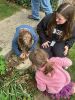
Marion Natural History Museum94 viewsThe Marion Natural History Museum’s afterschool group had fun learning about insects on Wednesday. These little critters are ectothermic, and their body temperature is determined by their surrounding environment. Some are quite speedy and the Tiger beetle can run so fast they can’t see anything. We had a chance to go out and do some netting for bugs as well as looking under rocks, checking in bark and the bushes, and found an interesting variety. The museum wishes to thank entomologist Blake Dinius for prov
|
|
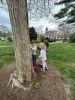
Marion Natural History Museum111 viewsThe Marion Natural History Museum’s afterschool group had fun learning about insects on Wednesday. These little critters are ectothermic, and their body temperature is determined by their surrounding environment. Some are quite speedy and the Tiger beetle can run so fast they can’t see anything. We had a chance to go out and do some netting for bugs as well as looking under rocks, checking in bark and the bushes, and found an interesting variety. The museum wishes to thank entomologist Blake Dinius for prov
|
|
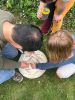
Marion Natural History Museum114 viewsThe Marion Natural History Museum’s afterschool group had fun learning about insects on Wednesday. These little critters are ectothermic, and their body temperature is determined by their surrounding environment. Some are quite speedy and the Tiger beetle can run so fast they can’t see anything. We had a chance to go out and do some netting for bugs as well as looking under rocks, checking in bark and the bushes, and found an interesting variety. The museum wishes to thank entomologist Blake Dinius for prov
|
|
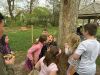
Marion Natural History Museum121 viewsThe Marion Natural History Museum’s afterschool group had fun learning about insects on Wednesday. These little critters are ectothermic, and their body temperature is determined by their surrounding environment. Some are quite speedy and the Tiger beetle can run so fast they can’t see anything. We had a chance to go out and do some netting for bugs as well as looking under rocks, checking in bark and the bushes, and found an interesting variety. The museum wishes to thank entomologist Blake Dinius for prov
|
|

Front Street in Marion154 viewsFront Street in Marion. Photo by Ruth A Griffin
|
|

Marion Natural History Museum111 viewsOn Wednesday, April 8, the Marion Natural History Museum's afterschool group welcomed Marianne Piche, Habitat Biologist with Massachusetts Division of Fish and Wildlife. Marianne helped us to explore the importance of Young Forests. Young forests are areas which are in the process of restoration after a fire or timber harvesting event. These forests provide unique habitat for a variety of wildlife which rely on the tender shoots and herbaceous vegetation that will not be found in a more mature forest. The m
|
|

Marion Natural History Museum105 viewsOn Wednesday, April 15, the Marion Natural History Museum's afterschool group had fun learning about the parts of a flower that produces pollen and the important role that pollinators play in our everyday lives. By dividing the group into three different types of insect species, Bees, Wasps, and Butterflies, the kids had fun playing a relay game to collect pollen. We then created flower seed "bombs" to take home and plant. Many thanks to museum volunteer Maggie Payne, monarch butterfly and pollinator enthus
|
|

Marion Natural History Museum118 viewsOn Wednesday, April 8, the Marion Natural History Museum's afterschool group welcomed Marianne Piche, Habitat Biologist with Massachusetts Division of Fish and Wildlife. Marianne helped us to explore the importance of Young Forests. Young forests are areas which are in the process of restoration after a fire or timber harvesting event. These forests provide unique habitat for a variety of wildlife which rely on the tender shoots and herbaceous vegetation that will not be found in a more mature forest. The m
|
|

Marion Natural History Museum111 views
|
|

129 views
|
|

Marion Natural History Museum361 viewsOn Wednesday, March 25, the Marion Natural History Museum's afterschool group investigated some of the inhabitants of the vernal pools of Marion. The students heard about the nature of these pools and why these amphibians need this temporary habitat to survive. We took a close-up look at wood-frog egg masses, green-frog tadpoles and Water Boatmen, a fun insect that has legs like oars and can move swiftly across the pool. To view all of our upcoming programs, please visit marionmuseum.org. Photos courtesy El
|
|

Marion Natural History Museum105 viewsThe Marion Natural History Museum's nature journaling group met Saturday, April 4. We discussed different prompts we might use in adding to our own journals. These included adding descriptive details, creative writing samples, and poetry. We went to Bicentennial Park to find a subject that inspired us to not only draw but to create a narrative to our pages. Despite the chilly weather, we had fun drawing, painting and adding fun details to our journal pages. Many thanks to Tricia Cassady for leading our grou
|
|
| 7799 files on 650 page(s) |
 |
|
|
|
|
9 | |
|
|
|
|