|
|
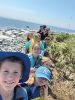
Marion Natural History Museum73 viewsWe had a rainy start to our week at the Coastal Explorations with the Marion Natural History Museum but didn’t let that deter us from catching frogs and fish, exploring ponds, salt marshes and rocky beaches, and making friends. Photos courtesy Elizabeth Leidhold
|
|

Marion Natural History Museum100 viewsWe had a rainy start to our week at the Coastal Explorations with the Marion Natural History Museum but didn’t let that deter us from catching frogs and fish, exploring ponds, salt marshes and rocky beaches, and making friends. Photos courtesy Elizabeth Leidhold
|
|
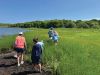
Marion Natural History Museum93 viewsWe had a rainy start to our week at the Coastal Explorations with the Marion Natural History Museum but didn’t let that deter us from catching frogs and fish, exploring ponds, salt marshes and rocky beaches, and making friends. Photos courtesy Elizabeth Leidhold
|
|
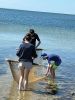
Marion Natural History Museum76 viewsWe had a rainy start to our week at the Coastal Explorations with the Marion Natural History Museum but didn’t let that deter us from catching frogs and fish, exploring ponds, salt marshes and rocky beaches, and making friends. Photos courtesy Elizabeth Leidhold
|
|
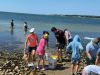
Marion Natural History Museum57 viewsWe had a rainy start to our week at the Coastal Explorations with the Marion Natural History Museum but didn’t let that deter us from catching frogs and fish, exploring ponds, salt marshes and rocky beaches, and making friends. Photos courtesy Elizabeth Leidhold
|
|
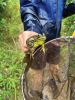
Marion Natural History Museum80 viewsWe had a rainy start to our week at the Coastal Explorations with the Marion Natural History Museum but didn’t let that deter us from catching frogs and fish, exploring ponds, salt marshes and rocky beaches, and making friends. Photos courtesy Elizabeth Leidhold
|
|

Marion Natural History Museum94 viewsWe had a rainy start to our week at the Coastal Explorations with the Marion Natural History Museum but didn’t let that deter us from catching frogs and fish, exploring ponds, salt marshes and rocky beaches, and making friends. Photos courtesy Elizabeth Leidhold
|
|

Mustang92 viewsA classic red Mustang parked along Spring Street was a showcase item unto itself during Saturday morning’s Arts in The Park event, which was held across the street in Bicentennial Park. Photo by Mick Colageo
|
|

Mimi119 viewsMimi sailing out of Sippican harbor. Photo by Greg Bongiorno
|
|

Marion Art Center96 viewsA young lad with a book against the backdrop of the Marion Art Center on Saturday morning. Photo by Mick Colageo
|
|

Arts in The Park119 viewsThe Marion Art Center held its annual Arts in The Park event on Saturday morning at Bicentennial Park, and right down Main Street was the First Congregational Church held its annual Lobster Roll sale at Penny Pincher's. Photos by Mick Colageo
|
|

Arts in The Park81 viewsThe Marion Art Center held its annual Arts in The Park event on Saturday morning at Bicentennial Park, and right down Main Street was the First Congregational Church held its annual Lobster Roll sale at Penny Pincher's. Photos by Mick Colageo
|
|
| 7799 files on 650 page(s) |
2 |  |
|
|
|
|
|
|
|
|
|