|
|
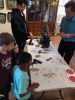
Marion Natural History Museum669 viewsOne hull or two? On March 11, the Marion Natural History Museum afterschool group explored the physics behind sailboat design. Mark Whalen, engineer with Massachusetts Maritime Academy, introduced several alternative design ideas for constructing our own sailboats. The students explored a variety of hull designs, mast locations and different sizes and shapes of sails. Then they raced the vessels in rain gutters to see which design moved fastest.
|
|
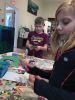
Marion Natural History Museum736 viewsOne hull or two? On March 11, the Marion Natural History Museum afterschool group explored the physics behind sailboat design. Mark Whalen, engineer with Massachusetts Maritime Academy, introduced several alternative design ideas for constructing our own sailboats. The students explored a variety of hull designs, mast locations and different sizes and shapes of sails. Then they raced the vessels in rain gutters to see which design moved fastest.
|
|

Marion Natural History Museum642 viewsOne hull or two? On March 11, the Marion Natural History Museum afterschool group explored the physics behind sailboat design. Mark Whalen, engineer with Massachusetts Maritime Academy, introduced several alternative design ideas for constructing our own sailboats. The students explored a variety of hull designs, mast locations and different sizes and shapes of sails. Then they raced the vessels in rain gutters to see which design moved fastest.
|
|

Marion Natural History Museum763 viewsDuring Wednesday's “Soil Critters” afterschool program, students had the opportunity to learn about what makes up a healthy soil and how varying numbers of insects populate different types of soil. The soil from the compost pile had the highest number of animals, with 17 pill bugs, 26 worms, two beetles, 34 springtails, two millipedes and one nematode. Maggie Payne of the USDA Natural Resource Conservation Service shared her expertise with the after-school group. Photo courtesy Elizabeth Leidhold
|
|

Marion Natural History Museum800 viewsDuring Wednesday's “Soil Critters” afterschool program, students had the opportunity to learn about what makes up a healthy soil and how varying numbers of insects populate different types of soil. The soil from the compost pile had the highest number of animals, with 17 pill bugs, 26 worms, two beetles, 34 springtails, two millipedes and one nematode. Maggie Payne of the USDA Natural Resource Conservation Service shared her expertise with the after-school group. Photo courtesy Elizabeth Leidhold
|
|

Marion Natural History Museum763 viewsDuring Wednesday's “Soil Critters” afterschool program, students had the opportunity to learn about what makes up a healthy soil and how varying numbers of insects populate different types of soil. The soil from the compost pile had the highest number of animals, with 17 pill bugs, 26 worms, two beetles, 34 springtails, two millipedes and one nematode. Maggie Payne of the USDA Natural Resource Conservation Service shared her expertise with the after-school group. Photo courtesy Elizabeth Leidhold
|
|

Marion Natural History Museum1310 viewsDuring Wednesday's “Soil Critters” afterschool program, students had the opportunity to learn about what makes up a healthy soil and how varying numbers of insects populate different types of soil. The soil from the compost pile had the highest number of animals, with 17 pill bugs, 26 worms, two beetles, 34 springtails, two millipedes and one nematode. Maggie Payne of the USDA Natural Resource Conservation Service shared her expertise with the after-school group. Photo courtesy Elizabeth Leidhold
|
|

Marion Natural History Museum2942 viewsDuring Wednesday's “Soil Critters” afterschool program, students had the opportunity to learn about what makes up a healthy soil and how varying numbers of insects populate different types of soil. The soil from the compost pile had the highest number of animals, with 17 pill bugs, 26 worms, two beetles, 34 springtails, two millipedes and one nematode. Maggie Payne of the USDA Natural Resource Conservation Service shared her expertise with the after-school group. Photo courtesy Elizabeth Leidhold
|
|

46 Water Street1189 viewsThe architecturally magnificent 46 Water Street, home of Robert and Judith Rosbe, is now distinguished with listing on the National Register of Historic Places. Photos by Marilou Newell
|
|

46 Water Street833 viewsThe architecturally magnificent 46 Water Street, home of Robert and Judith Rosbe, is now distinguished with listing on the National Register of Historic Places. Photos by Marilou Newell
|
|

46 Water Street646 viewsThe architecturally magnificent 46 Water Street, home of Robert and Judith Rosbe, is now distinguished with listing on the National Register of Historic Places. Photos by Marilou Newell
|
|

46 Water Street2365 viewsThe architecturally magnificent 46 Water Street, home of Robert and Judith Rosbe, is now distinguished with listing on the National Register of Historic Places. Photos by Marilou Newell
|
|
| 7875 files on 657 page(s) |
 |
|
|
|
|
180 | |
|
|
|
|