|
|
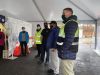
COVID-19 Vaccine Clinic575 viewsThe Town of Marion held a very successful COVID-19 vaccine clinic for residents 85 and over. Photo courtesy Donna M. Hemphill
|
|
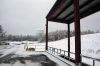
Benson Brook Transfer Station528 viewsTown of Marion officials cut the ribbon on the Benson Brook Transfer Station to Marion and Rochester residents on January 27. From the left: Town Administrator Jay McGrail, Selectman John Waterman, Bob Partridge, Board of Selectmen Chairman Randy Parker, Stephen Cushing, and Selectman Norm Hills. Adjacent photo, Parker displays future plans for the station. Photos by Mick Colageo
|
|
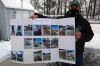
Benson Brook Transfer Station466 viewsTown of Marion officials cut the ribbon on the Benson Brook Transfer Station to Marion and Rochester residents on January 27. From the left: Town Administrator Jay McGrail, Selectman John Waterman, Bob Partridge, Board of Selectmen Chairman Randy Parker, Stephen Cushing, and Selectman Norm Hills. Adjacent photo, Parker displays future plans for the station. Photos by Mick Colageo
|
|
Benson Brook Transfer Station478 viewsTown of Marion officials cut the ribbon on the Benson Brook Transfer Station to Marion and Rochester residents on January 27. From the left: Town Administrator Jay McGrail, Selectman John Waterman, Bob Partridge, Board of Selectmen Chairman Randy Parker, Stephen Cushing, and Selectman Norm Hills. Adjacent photo, Parker displays future plans for the station. Photos by Mick Colageo
|
|
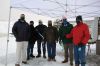
Benson Brook Transfer Station434 viewsTown of Marion officials cut the ribbon on the Benson Brook Transfer Station to Marion and Rochester residents on January 27. From the left: Town Administrator Jay McGrail, Selectman John Waterman, Bob Partridge, Board of Selectmen Chairman Randy Parker, Stephen Cushing, and Selectman Norm Hills. Adjacent photo, Parker displays future plans for the station. Photos by Mick Colageo
|
|

Elizabeth Taber1201 viewsSpring-like weather has meant that renovations to the Town House in Marion are continuing on well into January. The Elizabeth Taber statue seems to be overseeing the work from her perch just across the street in Bicentennial Park. It can be easily speculated that she would be pleased. Photos by Marilou Newell
|
|

Marion COVID-19 Vaccinations488 viewsThe Town of Marion conducted a drive-thru COVID-19 vaccination clinic for first responders on January 13 and 14 at the Cushman Community Center. Marion was approved by the state as a designated COVID-19 vaccination distributor and the town received 400 doses to inoculate first responders from Marion, Mattapoisett, Rochester, and Wareham. Photos by Mick Colageo
|
|

546 viewsWith her December 13 run from Island Wharf down to Silvershell Beach, Hannah Strom took a significant step in her long road to recovery from injuries sustained almost a year ago in a crash with the Holy Cross rowing team. At the end of her run, her father Tom surprised her with a puppy named Ruthie. Photo by Mick Colageo
|
|

479 viewsWith her December 13 run from Island Wharf down to Silvershell Beach, Hannah Strom took a significant step in her long road to recovery from injuries sustained almost a year ago in a crash with the Holy Cross rowing team. At the end of her run, her father Tom surprised her with a puppy named Ruthie. Photo by Mick Colageo
|
|

Chief Garcia Retires583 viewsAt 2:06 pm on Friday, December 11, Marion Chief of Police John Garcia signed off to radio dispatch, ending his shift and a law enforcement career that spanned three and a half decades. The Town of Marion recognized his retirement with a drive-thru sendoff outside the Cushman Community Center. School children created a banner for the occasion that included greetings from the Board of Selectmen, Fire Department, town and school district officials, police cruisers from several towns across southeastern Mass
|
|
Chief Garcia Retires553 viewsAt 2:06 pm on Friday, December 11, Marion Chief of Police John Garcia signed off to radio dispatch, ending his shift and a law enforcement career that spanned three and a half decades. The Town of Marion recognized his retirement with a drive-thru sendoff outside the Cushman Community Center. School children created a banner for the occasion that included greetings from the Board of Selectmen, Fire Department, town and school district officials, police cruisers from several towns across southeastern Mass
|
|
Chief Garcia Retires519 viewsAt 2:06 pm on Friday, December 11, Marion Chief of Police John Garcia signed off to radio dispatch, ending his shift and a law enforcement career that spanned three and a half decades. The Town of Marion recognized his retirement with a drive-thru sendoff outside the Cushman Community Center. School children created a banner for the occasion that included greetings from the Board of Selectmen, Fire Department, town and school district officials, police cruisers from several towns across southeastern Mass
|
|
| 7838 files on 654 page(s) |
 |
|
|
|
|
164 | |
|
|
|
|