|
|
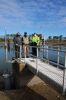
Marion Wastewater Treatment Plant Assistant442 viewsRepresentative William Straus, Marion Sewer Superintendent Frank Cooper, Wastewater Treatment Plant Assistant Operator Nathaniel Munafo, Marion Board of Selectmen Chairman Randy Parker, Finance Director Judy Mooney, Town Administrator Jay McGrail, and Selectmen John Waterman and Norm Hills gathered on April 2 at the wastewater treatment plant off Benson Brook Road, where Straus presented the Marion delegates with a $250,000 check. Photo by Mick Colageo
|
|
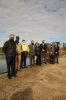
Marion Wastewater Treatment Plant Assistant453 viewsRepresentative William Straus, Marion Sewer Superintendent Frank Cooper, Wastewater Treatment Plant Assistant Operator Nathaniel Munafo, Marion Board of Selectmen Chairman Randy Parker, Finance Director Judy Mooney, Town Administrator Jay McGrail, and Selectmen John Waterman and Norm Hills gathered on April 2 at the wastewater treatment plant off Benson Brook Road, where Straus presented the Marion delegates with a $250,000 check. Photo by Mick Colageo
|
|
Marion Wastewater Treatment Plant Assistant407 viewsRepresentative William Straus, Marion Sewer Superintendent Frank Cooper, Wastewater Treatment Plant Assistant Operator Nathaniel Munafo, Marion Board of Selectmen Chairman Randy Parker, Finance Director Judy Mooney, Town Administrator Jay McGrail, and Selectmen John Waterman and Norm Hills gathered on April 2 at the wastewater treatment plant off Benson Brook Road, where Straus presented the Marion delegates with a $250,000 check. Photo by Mick Colageo
|
|
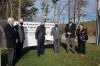
Marion Wastewater Treatment Plant Assistant444 viewsRepresentative William Straus, Marion Sewer Superintendent Frank Cooper, Wastewater Treatment Plant Assistant Operator Nathaniel Munafo, Marion Board of Selectmen Chairman Randy Parker, Finance Director Judy Mooney, Town Administrator Jay McGrail, and Selectmen John Waterman and Norm Hills gathered on April 2 at the wastewater treatment plant off Benson Brook Road, where Straus presented the Marion delegates with a $250,000 check. Photo by Mick Colageo
|
|
Marion Wastewater Treatment Plant Assistant426 viewsRepresentative William Straus, Marion Sewer Superintendent Frank Cooper, Wastewater Treatment Plant Assistant Operator Nathaniel Munafo, Marion Board of Selectmen Chairman Randy Parker, Finance Director Judy Mooney, Town Administrator Jay McGrail, and Selectmen John Waterman and Norm Hills gathered on April 2 at the wastewater treatment plant off Benson Brook Road, where Straus presented the Marion delegates with a $250,000 check. Photo by Mick Colageo
|
|
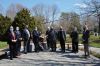
Marion CARES420 viewsPlymouth County Commissioner Greg Hanley speaks about CARES Act funding to a gathering including fellow Commissioner Jared Valanzola, County Treasurer Tom O’Brien, County Register of Deeds John Buckley Jr., Esq., Marion Town Administrator Jay McGrail, Marion Finance Director Judy Mooney, and Selectmen Randy Parker, Norm Hills, and John Waterman. The group assembled on April 2 at the Elizabeth Taber statue in Bicentennial Park for the delivery of a $150,000 COVID-related reimbursement check. Photos by Mick C
|
|
Marion Council on Aging602 viewsThe Marion Council on Aging held a St. Patrick's Day "Grab N Go" luncheon on Tuesday at the Cushing Community Center. Seniors were treated to a drive-thru pickup of a boxed lunch featuring potato leek soup, a corned beef Rueben sandwich with sauerkraut and Russian dressing served with kettle-cooked chips, a dill pickle, and pistachio cake for dessert. As of Monday, 114 residents had signed up. Photos by Mick Colageo
|
|
Marion Council on Aging493 viewsThe Marion Council on Aging held a St. Patrick's Day "Grab N Go" luncheon on Tuesday at the Cushing Community Center. Seniors were treated to a drive-thru pickup of a boxed lunch featuring potato leek soup, a corned beef Rueben sandwich with sauerkraut and Russian dressing served with kettle-cooked chips, a dill pickle, and pistachio cake for dessert. As of Monday, 114 residents had signed up. Photos by Mick Colageo
|
|
Rochester Crash478 viewsThe scene on Saturday at the Rochester landing zone where a Medflight took a critically injured pedestrian to Rhode Island Hospital. The patient was struck by a motor vehicle on North Avenue. The driver, Darren Moran, 27, crashed the vehicle and fled on foot, but was arrested and arraigned on Monday, February 22, in Wareham District Court. Photos courtesy of Rochester Fire Department
|
|
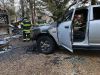
Pre-dawn Fire471 viewsA pre-dawn fire on February 18 engulfed a detached garage at 62 Water Street in Marion. The lone injury was a minor one for which a responding firefighter was later treated at Tobey Hospital and released. The fire also resulted in the total loss of a pickup truck parked outside. Photo courtesy of Marion Fire Department
|
|
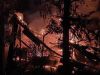
Pre-dawn Fire391 viewsA pre-dawn fire on February 18 engulfed a detached garage at 62 Water Street in Marion. The lone injury was a minor one for which a responding firefighter was later treated at Tobey Hospital and released. The fire also resulted in the total loss of a pickup truck parked outside. Photo courtesy of Marion Fire Department
|
|

Pre-dawn Fire399 viewsA pre-dawn fire on February 18 engulfed a detached garage at 62 Water Street in Marion. The lone injury was a minor one for which a responding firefighter was later treated at Tobey Hospital and released. The fire also resulted in the total loss of a pickup truck parked outside. Photo courtesy of Marion Fire Department
|
|
| 7833 files on 653 page(s) |
 |
|
|
|
|
162 | |
|
|
|
|