|
|
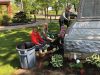
Veteran’s Memorial426 viewsVolunteers Dana Anderson, Patty Nicholson, and Alanna Nelson are planting the Veteran’s Memorial, an annual event prior to Marion’s celebration on Memorial Day to honor those who sacrificed their lives in past wars. Photo by Tinker Saltonstall
|
|
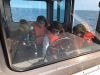
Marion Natural History Museum397 viewsThe Marion Natural History Museum’s afterschool group wishes to thank Dave Wilson and Isaac Perry of the Marion Harbormaster’s Office for the fun tour of Sippican Harbor last Wednesday. The wind was too strong to land on Bird Island, but we had a chance to view the activity on the island from the water and watch the terns catch some fish. We also visited with an osprey on Ram Island. We very much appreciate the opportunity to learn a little more about Marion’s bird life. Photos courtesy Elizabeth Leidhold
|
|
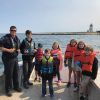
Marion Natural History Museum383 viewsThe Marion Natural History Museum’s afterschool group wishes to thank Dave Wilson and Isaac Perry of the Marion Harbormaster’s Office for the fun tour of Sippican Harbor last Wednesday. The wind was too strong to land on Bird Island, but we had a chance to view the activity on the island from the water and watch the terns catch some fish. We also visited with an osprey on Ram Island. We very much appreciate the opportunity to learn a little more about Marion’s bird life. Photos courtesy Elizabeth Leidhold
|
|

Marion Cub Scouts Pack433 viewsOn May 22, Marion Cub Scouts Pack 32 celebrated its annual Blue and Gold Banquet at its home base, Camp Hadley. In these unique times, these cubs had the most challenging year ever. They were diligent, reverent, and kind as they completed all of their achievements. Scouting is a year-long activity for girls and boys in Grades K-5. If you are interested in scouting, please contact the Cub Scouts at marioncubscouts@gmail.com. Photo courtesy Kristen Guevara
|
|
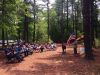
Marion Cub Scouts385 viewsOn May 22, Marion Cub Scouts Pack 32 celebrated its annual Blue and Gold Banquet at its home base, Camp Hadley. In these unique times, these cubs had the most challenging year ever. They were diligent, reverent, and kind as they completed all of their achievements. Scouting is a year-long activity for girls and boys in Grades K-5. If you are interested in scouting, please contact the Cub Scouts at marioncubscouts@gmail.com. Photo courtesy Kristen Guevara
|
|
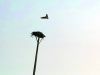
Marion Natural History Museum345 viewsThe Marion Natural History Museum’s afterschool group wishes to thank Dave Wilson and Isaac Perry of the Marion Harbormaster’s Office for the fun tour of Sippican Harbor last Wednesday. The wind was too strong to land on Bird Island, but we had a chance to view the activity on the island from the water and watch the terns catch some fish. We also visited with an osprey on Ram Island. We very much appreciate the opportunity to learn a little more about Marion’s bird life. Photos courtesy Elizabeth Leidhold
|
|
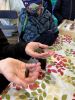
Marion Natural History Museum544 viewsThe Marion Natural History Museum afterschool group had a wonderful time learning about “Amazing Arthropods” with entomologist Blake Dinius of Plymouth County Extension Service. Members of the group were able to handle a couple of beautiful Io moths, which as caterpillars feed on maple leaves. The adult moths emerge with no mouths and only live in this stage for one to two weeks. Photos courtesy Elizabeth Leidhold
|
|

Marion Natural History Museum452 viewsThe Marion Natural History Museum afterschool group had a wonderful time learning about “Amazing Arthropods” with entomologist Blake Dinius of Plymouth County Extension Service. Members of the group were able to handle a couple of beautiful Io moths, which as caterpillars feed on maple leaves. The adult moths emerge with no mouths and only live in this stage for one to two weeks. Photos courtesy Elizabeth Leidhold
|
|
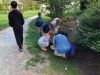
Marion Natural History Museum440 viewsThe Marion Natural History Museum afterschool group had a wonderful time learning about “Amazing Arthropods” with entomologist Blake Dinius of Plymouth County Extension Service. Members of the group were able to handle a couple of beautiful Io moths, which as caterpillars feed on maple leaves. The adult moths emerge with no mouths and only live in this stage for one to two weeks. Photos courtesy Elizabeth Leidhold
|
|
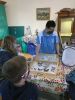
Marion Natural History Museum401 viewsThe Marion Natural History Museum afterschool group had a wonderful time learning about “Amazing Arthropods” with entomologist Blake Dinius of Plymouth County Extension Service. Members of the group were able to handle a couple of beautiful Io moths, which as caterpillars feed on maple leaves. The adult moths emerge with no mouths and only live in this stage for one to two weeks. Photos courtesy Elizabeth Leidhold
|
|
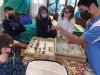
Marion Natural History Museum421 viewsThe Marion Natural History Museum afterschool group had a wonderful time learning about “Amazing Arthropods” with entomologist Blake Dinius of Plymouth County Extension Service. Members of the group were able to handle a couple of beautiful Io moths, which as caterpillars feed on maple leaves. The adult moths emerge with no mouths and only live in this stage for one to two weeks. Photos courtesy Elizabeth Leidhold
|
|
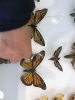
Marion Natural History Museum402 viewsThe Marion Natural History Museum afterschool group had a wonderful time learning about “Amazing Arthropods” with entomologist Blake Dinius of Plymouth County Extension Service. Members of the group were able to handle a couple of beautiful Io moths, which as caterpillars feed on maple leaves. The adult moths emerge with no mouths and only live in this stage for one to two weeks. Photos courtesy Elizabeth Leidhold
|
|
| 7833 files on 653 page(s) |
 |
|
|
|
|
160 | |
|
|
|
|