|
|

Marion Natural History Museum185 views
|
|
191 views
|
|

Marion Natural History Museum566 viewsOn Wednesday, March 25, the Marion Natural History Museum's afterschool group investigated some of the inhabitants of the vernal pools of Marion. The students heard about the nature of these pools and why these amphibians need this temporary habitat to survive. We took a close-up look at wood-frog egg masses, green-frog tadpoles and Water Boatmen, a fun insect that has legs like oars and can move swiftly across the pool. To view all of our upcoming programs, please visit marionmuseum.org. Photos courtesy El
|
|

Marion Natural History Museum154 viewsThe Marion Natural History Museum's nature journaling group met Saturday, April 4. We discussed different prompts we might use in adding to our own journals. These included adding descriptive details, creative writing samples, and poetry. We went to Bicentennial Park to find a subject that inspired us to not only draw but to create a narrative to our pages. Despite the chilly weather, we had fun drawing, painting and adding fun details to our journal pages. Many thanks to Tricia Cassady for leading our grou
|
|

Marion Natural History Museum255 viewsOn Wednesday, March 25, the Marion Natural History Museum's afterschool group investigated some of the inhabitants of the vernal pools of Marion. The students heard about the nature of these pools and why these amphibians need this temporary habitat to survive. We took a close-up look at wood-frog egg masses, green-frog tadpoles and Water Boatmen, a fun insect that has legs like oars and can move swiftly across the pool. To view all of our upcoming programs, please visit marionmuseum.org. Photos courtesy El
|
|

Marion Natural History Museum236 viewsOn Wednesday, March 25, the Marion Natural History Museum's afterschool group investigated some of the inhabitants of the vernal pools of Marion. The students heard about the nature of these pools and why these amphibians need this temporary habitat to survive. We took a close-up look at wood-frog egg masses, green-frog tadpoles and Water Boatmen, a fun insect that has legs like oars and can move swiftly across the pool. To view all of our upcoming programs, please visit marionmuseum.org. Photos courtesy El
|
|

Marion Natural History Museum235 viewsOn Wednesday, March 25, the Marion Natural History Museum's afterschool group investigated some of the inhabitants of the vernal pools of Marion. The students heard about the nature of these pools and why these amphibians need this temporary habitat to survive. We took a close-up look at wood-frog egg masses, green-frog tadpoles and Water Boatmen, a fun insect that has legs like oars and can move swiftly across the pool. To view all of our upcoming programs, please visit marionmuseum.org. Photos courtesy El
|
|

Marion Natural History Museum214 viewsWednesday afternoon, the Marion Natural History Museum's afterschool group had a chance to learn about the diet of barn owls. Given they are birds of prey, there's mainly rodents and small birds on their menu. The owl must regurgitate the indigestible bones, fur, feathers, etc. by forming a pellet before eating another meal. We had a chance to explore sterilized owl pellets and identify the bones of the prey animals. It was not unusual to find more than one skull per pellet. The kids did a great job using t
|
|
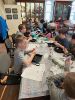
Marion Natural History Museum251 viewsWednesday afternoon, the Marion Natural History Museum's afterschool group had a chance to learn about the diet of barn owls. Given they are birds of prey, there's mainly rodents and small birds on their menu. The owl must regurgitate the indigestible bones, fur, feathers, etc. by forming a pellet before eating another meal. We had a chance to explore sterilized owl pellets and identify the bones of the prey animals. It was not unusual to find more than one skull per pellet. The kids did a great job using t
|
|
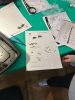
Marion Natural History Museum227 viewsWednesday afternoon, the Marion Natural History Museum's afterschool group had a chance to learn about the diet of barn owls. Given they are birds of prey, there's mainly rodents and small birds on their menu. The owl must regurgitate the indigestible bones, fur, feathers, etc. by forming a pellet before eating another meal. We had a chance to explore sterilized owl pellets and identify the bones of the prey animals. It was not unusual to find more than one skull per pellet. The kids did a great job using t
|
|
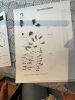
Marion Natural History Museum218 viewsOn March 11, the Marion Natural History Museum's adult group had a chance to learn about owl-feeding habitats. Owls swallow their prey whole or in large pieces, and when the pellet is regurgitated, the undigestible pieces reappear. Bones, hair, and exoskeletons are common in owl pellets and can help observers identify the type of prey consumed as well as where it might have been caught. Many found more than one skull in their pellets. The group had fun together dissecting sterilized Barn Owl pellets and tak
|
|
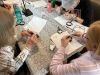
Marion Natural History Museum209 viewsOn March 11, the Marion Natural History Museum's adult group had a chance to learn about owl-feeding habitats. Owls swallow their prey whole or in large pieces, and when the pellet is regurgitated, the undigestible pieces reappear. Bones, hair, and exoskeletons are common in owl pellets and can help observers identify the type of prey consumed as well as where it might have been caught. Many found more than one skull in their pellets. The group had fun together dissecting sterilized Barn Owl pellets and tak
|
|
| 7875 files on 657 page(s) |
 |
|
|
|
|
16 | |
|
|
|
|