|
|

Marion Natural History Museum668 viewsOn March 4 the Marion Natural History Museum hosted “Wildflowers of Southeastern Massachusetts” with Martha “Mike” Schroeder. Attendees learned about which plants are native and which plants have been introduced to the state. Many thanks to Mike for the program and lovely photos, many of which were taken in her yard in Lakeville. Photos courtesy Elizabeth LeidholdMar 25, 2020
|
|

Marion Natural History Museum736 viewsOne hull or two? On March 11, the Marion Natural History Museum afterschool group explored the physics behind sailboat design. Mark Whalen, engineer with Massachusetts Maritime Academy, introduced several alternative design ideas for constructing our own sailboats. The students explored a variety of hull designs, mast locations and different sizes and shapes of sails. Then they raced the vessels in rain gutters to see which design moved fastest.Mar 18, 2020
|
|

Marion Natural History Museum664 viewsOne hull or two? On March 11, the Marion Natural History Museum afterschool group explored the physics behind sailboat design. Mark Whalen, engineer with Massachusetts Maritime Academy, introduced several alternative design ideas for constructing our own sailboats. The students explored a variety of hull designs, mast locations and different sizes and shapes of sails. Then they raced the vessels in rain gutters to see which design moved fastest.Mar 18, 2020
|
|

Marion Natural History Museum719 viewsOne hull or two? On March 11, the Marion Natural History Museum afterschool group explored the physics behind sailboat design. Mark Whalen, engineer with Massachusetts Maritime Academy, introduced several alternative design ideas for constructing our own sailboats. The students explored a variety of hull designs, mast locations and different sizes and shapes of sails. Then they raced the vessels in rain gutters to see which design moved fastest.Mar 18, 2020
|
|

Marion Natural History Museum633 viewsOne hull or two? On March 11, the Marion Natural History Museum afterschool group explored the physics behind sailboat design. Mark Whalen, engineer with Massachusetts Maritime Academy, introduced several alternative design ideas for constructing our own sailboats. The students explored a variety of hull designs, mast locations and different sizes and shapes of sails. Then they raced the vessels in rain gutters to see which design moved fastest.Mar 18, 2020
|
|

Marion Natural History Museum757 viewsDuring Wednesday's “Soil Critters” afterschool program, students had the opportunity to learn about what makes up a healthy soil and how varying numbers of insects populate different types of soil. The soil from the compost pile had the highest number of animals, with 17 pill bugs, 26 worms, two beetles, 34 springtails, two millipedes and one nematode. Maggie Payne of the USDA Natural Resource Conservation Service shared her expertise with the after-school group. Photo courtesy Elizabeth LeidholdMar 04, 2020
|
|

Marion Natural History Museum794 viewsDuring Wednesday's “Soil Critters” afterschool program, students had the opportunity to learn about what makes up a healthy soil and how varying numbers of insects populate different types of soil. The soil from the compost pile had the highest number of animals, with 17 pill bugs, 26 worms, two beetles, 34 springtails, two millipedes and one nematode. Maggie Payne of the USDA Natural Resource Conservation Service shared her expertise with the after-school group. Photo courtesy Elizabeth LeidholdMar 04, 2020
|
|

Marion Natural History Museum752 viewsDuring Wednesday's “Soil Critters” afterschool program, students had the opportunity to learn about what makes up a healthy soil and how varying numbers of insects populate different types of soil. The soil from the compost pile had the highest number of animals, with 17 pill bugs, 26 worms, two beetles, 34 springtails, two millipedes and one nematode. Maggie Payne of the USDA Natural Resource Conservation Service shared her expertise with the after-school group. Photo courtesy Elizabeth LeidholdMar 04, 2020
|
|
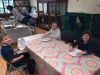
Marion Natural History Museum1303 viewsDuring Wednesday's “Soil Critters” afterschool program, students had the opportunity to learn about what makes up a healthy soil and how varying numbers of insects populate different types of soil. The soil from the compost pile had the highest number of animals, with 17 pill bugs, 26 worms, two beetles, 34 springtails, two millipedes and one nematode. Maggie Payne of the USDA Natural Resource Conservation Service shared her expertise with the after-school group. Photo courtesy Elizabeth LeidholdMar 04, 2020
|
|
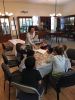
Marion Natural History Museum2938 viewsDuring Wednesday's “Soil Critters” afterschool program, students had the opportunity to learn about what makes up a healthy soil and how varying numbers of insects populate different types of soil. The soil from the compost pile had the highest number of animals, with 17 pill bugs, 26 worms, two beetles, 34 springtails, two millipedes and one nematode. Maggie Payne of the USDA Natural Resource Conservation Service shared her expertise with the after-school group. Photo courtesy Elizabeth LeidholdMar 04, 2020
|
|

46 Water Street1187 viewsThe architecturally magnificent 46 Water Street, home of Robert and Judith Rosbe, is now distinguished with listing on the National Register of Historic Places. Photos by Marilou NewellMar 04, 2020
|
|

46 Water Street827 viewsThe architecturally magnificent 46 Water Street, home of Robert and Judith Rosbe, is now distinguished with listing on the National Register of Historic Places. Photos by Marilou NewellMar 04, 2020
|
|
| 7841 files on 654 page(s) |
 |
|
|
|
|
177 | |
|
|
|
|