The Wanderer Photo Gallery

Email your photos to support@wanderer.com

Marion Natural History Museum
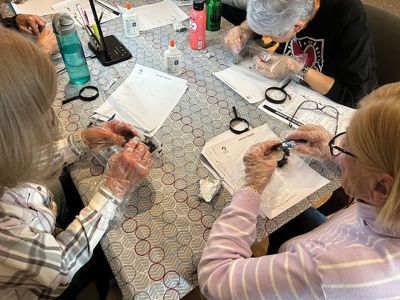
On March 11, the Marion Natural History Museum's adult group had a chance to learn about owl-feeding habitats. Owls swallow their prey whole or in large pieces, and when the pellet is regurgitated, the undigestible pieces reappear. Bones, hair, and exoskeletons are common in owl pellets and can help observers identify the type of prey consumed as well as where it might have been caught. Many found more than one skull in their pellets. The group had fun together dissecting sterilized Barn Owl pellets and tak

Marion Natural History Museum

On March 11, the Marion Natural History Museum's adult group had a chance to learn about owl-feeding habitats. Owls swallow their prey whole or in large pieces, and when the pellet is regurgitated, the undigestible pieces reappear. Bones, hair, and exoskeletons are common in owl pellets and can help observers identify the type of prey consumed as well as where it might have been caught. Many found more than one skull in their pellets. The group had fun together dissecting sterilized Barn Owl pellets and tak

ORR_Mama_0330.jpg MFA_Marion-Dewitt-HumeHennessy-Cash.jpg MNHM_RamIsland-28129.jpg MNHM_8307.jpg ROtrash_4211.jpg
Rate this file (No vote yet)